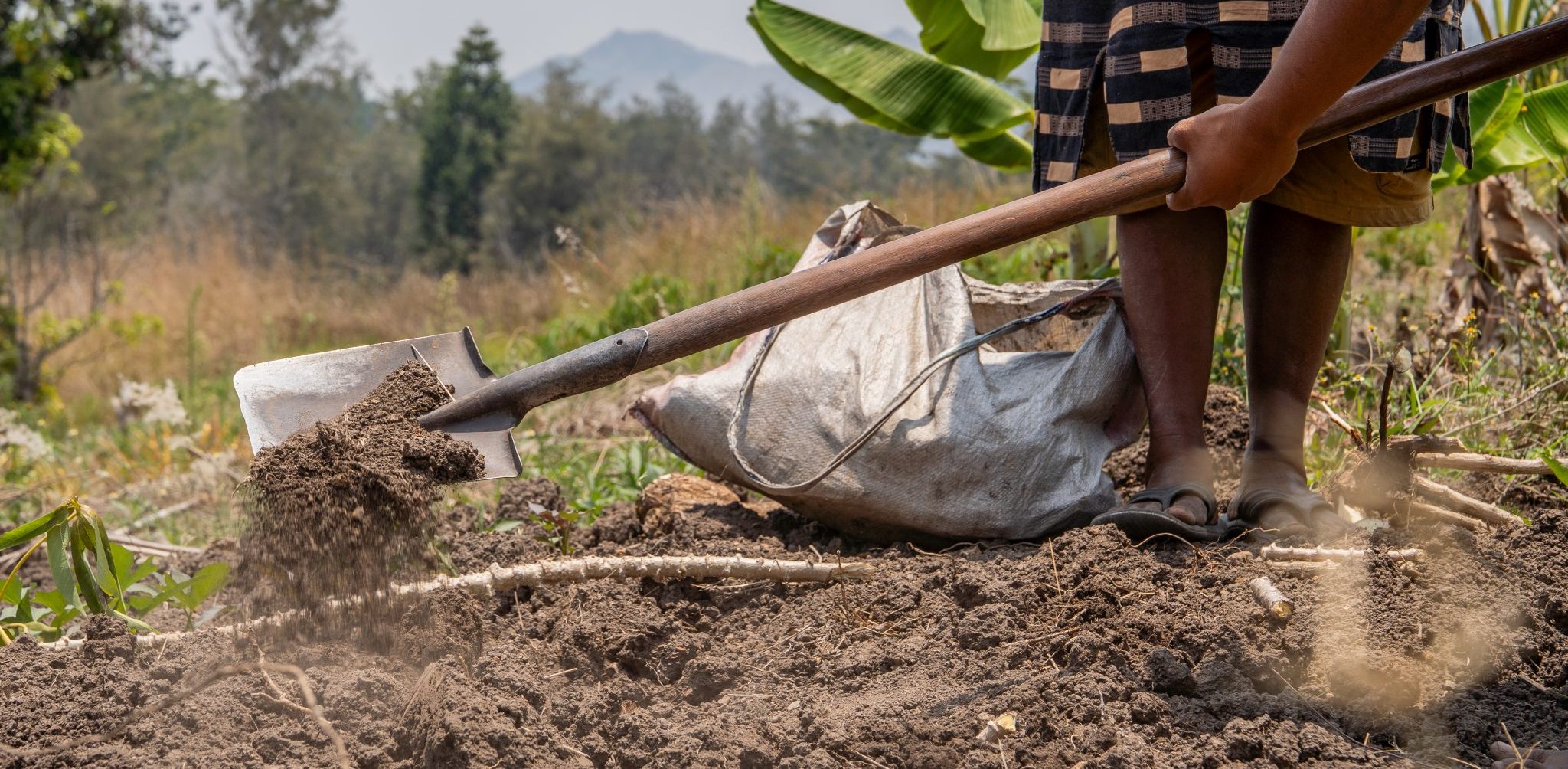
For Fokilo, a mother of six living in PNG’s Nagamito Village, the dry season used to bring uncertainty about what her family would eat. They relied primarily on the food they could grow, including sweet potato and cassava. But during the dry season, cassava was often the only available food source.
As a widow, Fokilo faced the immense challenge of providing for her six children with limited options and no stable income apart from selling garden produce. And even when food was available, keeping it was another challenge. Cassava could spoil within just three days.
Learning how to make food last
A new opportunity came when Fokilo participated in a training supported by CARE’s Australian Humanitarian Disaster READY Program. She learned practical skills in food processing and preservation, as well as disaster preparedness. She also joined a Village Savings and Loans Association, where members save together and can access small loans.
For Fokilo, one lesson opened up new possibilities. She learned how to preserve cassava, bananas and sweet potatoes, including processing them into flour so they could last longer.
Putting her new knowledge into practice, Fokilo invested in a 10 kg bag of regular flour and began experimenting, mixing it with the flour she had produced to make food for her children.
Soon, she began baking and selling what she made.

From preserving food to earning an income
The techniques Fokilo learned not only helped her preserve food for the dry season but also created a new source of income for her family, helping her cover household expenses and meet her children’s needs.
“I’m seeing big change. The flour bag lasts so long, and I’m making enough money to repay my loan and have extra funds to meet my children’s needs,” Fokilo says.
Most importantly, learning how to preserve food has changed how Fokilo plans for the dry season ahead.
Our ancestors didn’t understand food preservation methods. CARE has introduced a lifesaving skill. Now, my children and I won’t be hungry when the dry season comes; we still have our flour to make food to eat.
Fokilo’s story shows what is possible when women have access to practical knowledge, resources and financial opportunities. She took what she learned and turned it into action, helping food last longer, building a source of income and creating greater security for her family through challenging times.
Your gift can help women like Fokilo access the resources, knowledge and opportunities they need to overcome hunger. Donate today.