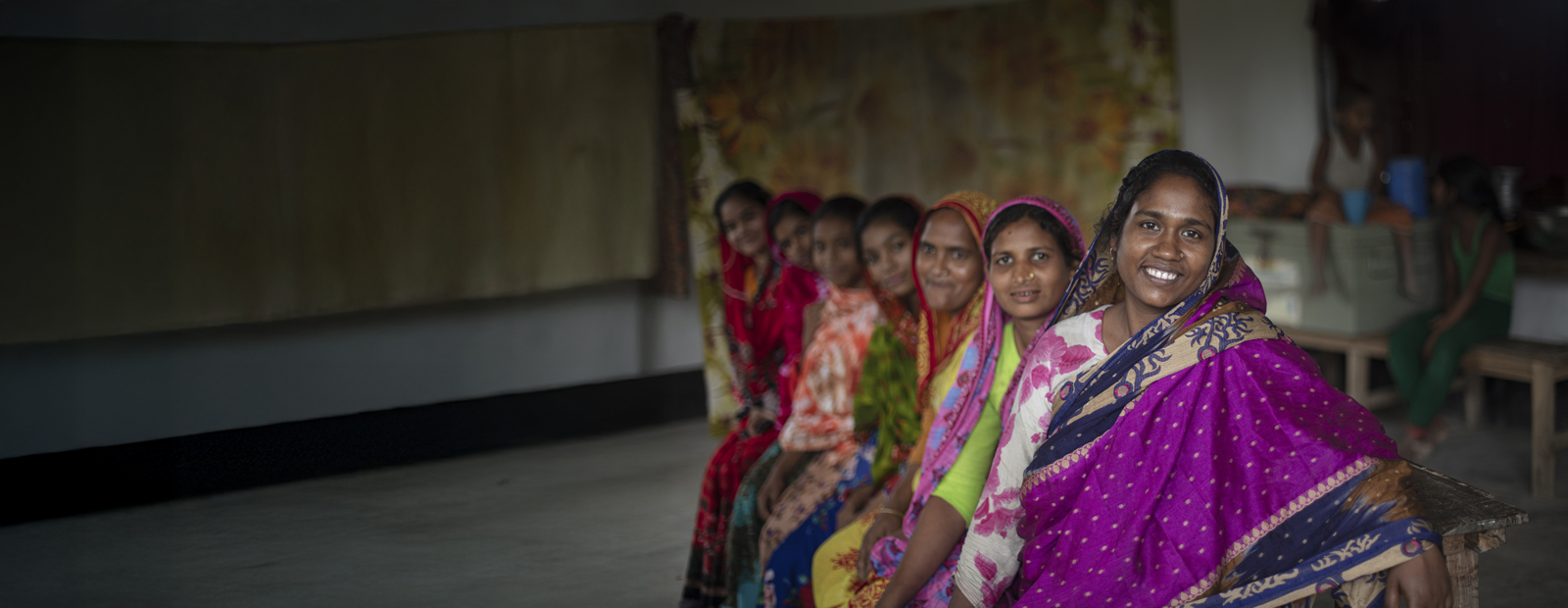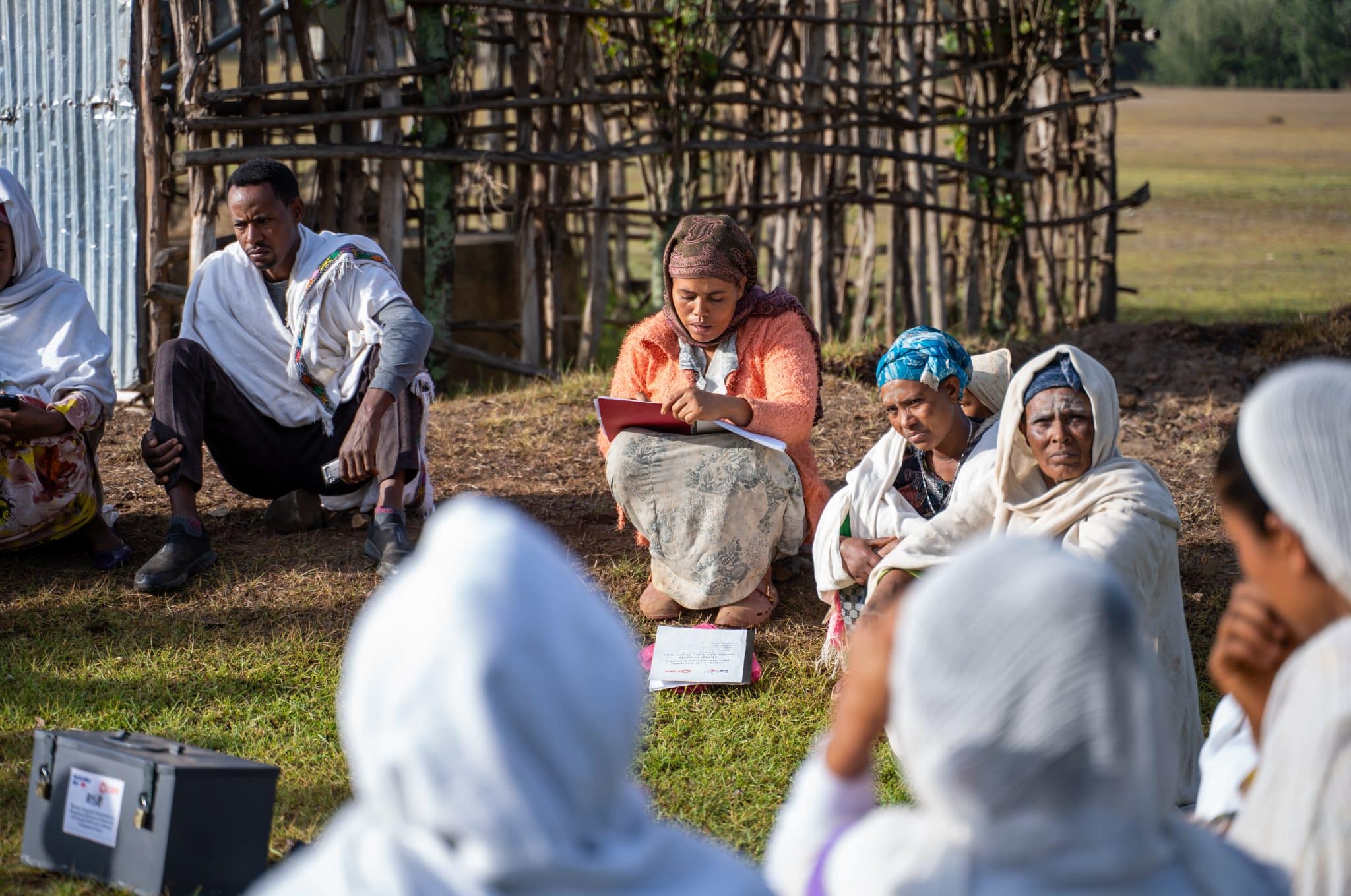
Village Savings and Loans Associations (VSLAs) empower participants to increase access and control over resources and use collective power to overcome social and financial barriers.
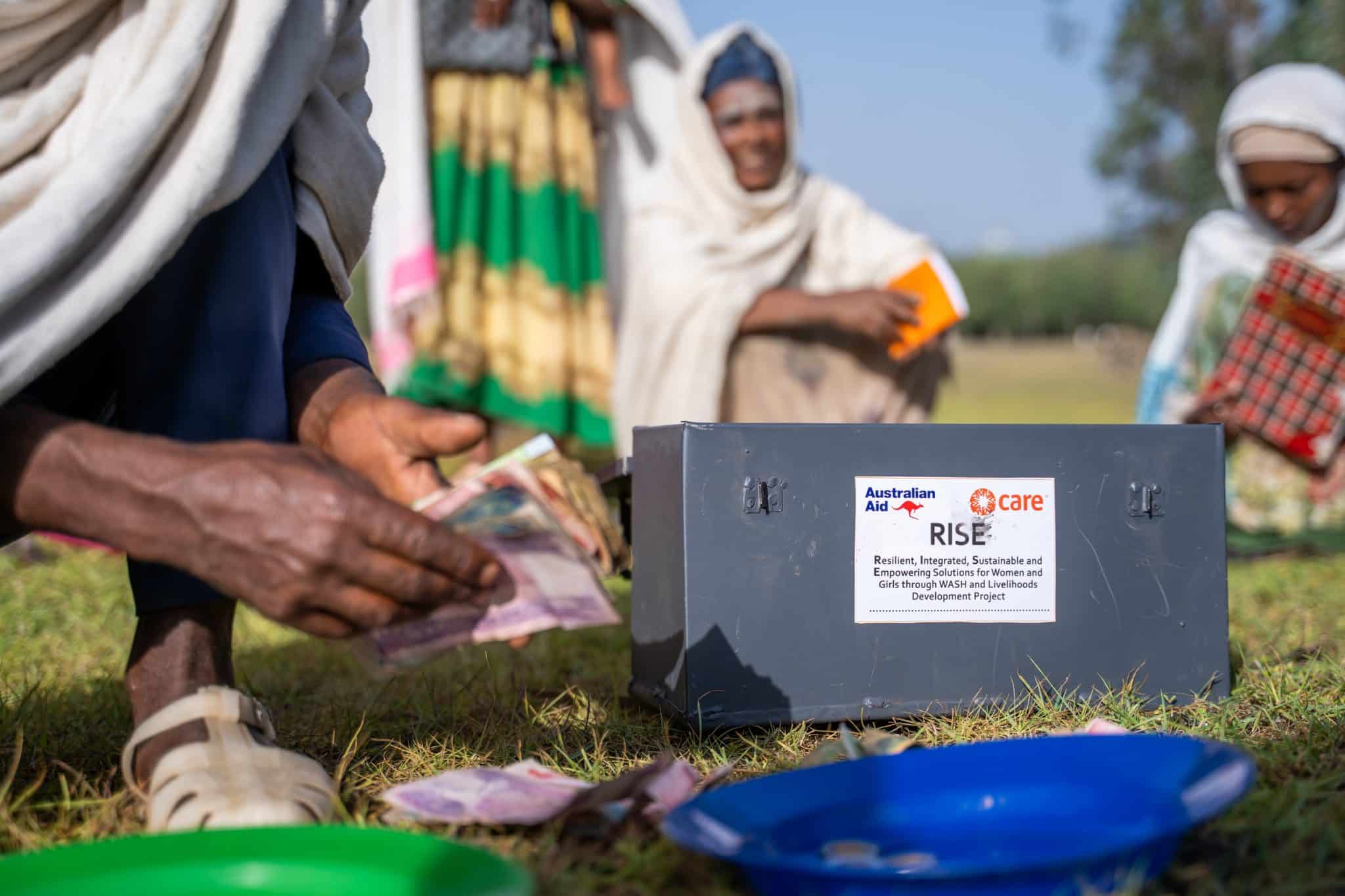
The Village Savings and Loans Association (VSLA) is a successful practice implemented across CARE programs that stimulates the creation of savings groups within communities. Savings groups are self-managed groups of 15 to 25 people who meet regularly to save their money in a safe space, access small loans and obtain emergency insurance.
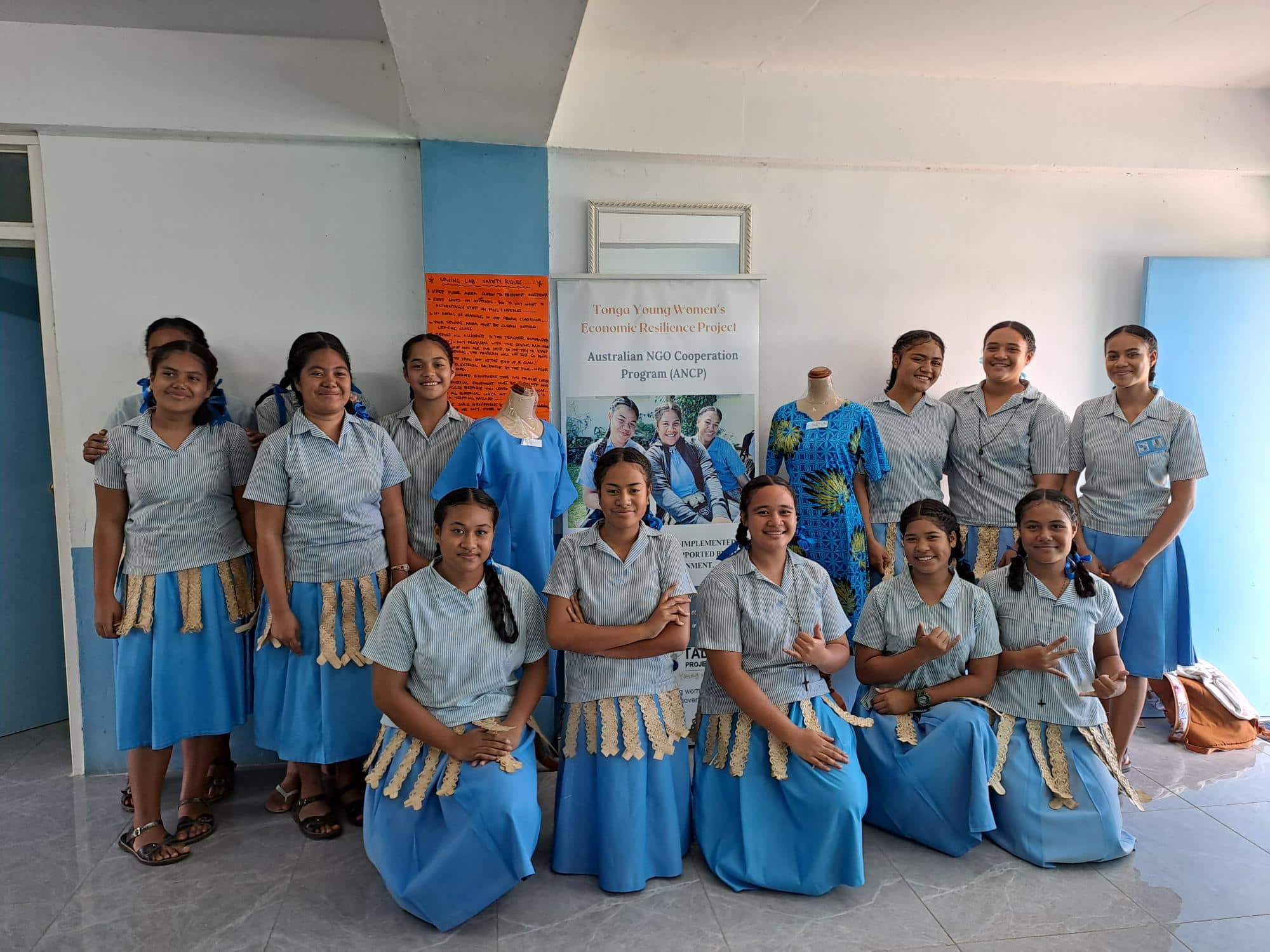
“I am thankful to be part of the savings group. I enjoy learning about financial literacy, how to budget and save. I am able to manage my money wisely for my ‘needs’ not my ‘wants’.”
— Alisi*, Tonga Young Women’s Economic Resilience (TYWER) project participant in Ha’apai. The TYWER project adapts the VSLA approach specifically for adolescent girls in Tonga.
The importance of Village Savings and Loans Associations
Since 1991, the VSLA model has played an important role supporting more than 8 million group members — the majority of whom are women — to increase access to and control over their resources. Complemented with tools that engage men, community members and market actors, VSLA participants gain increased influence over decisions in their homes and beyond.
VSLAs, often independently of CARE, routinely support each other to set up small businesses, negotiate fair prices in the marketplace, advocate for gender equality in their communities, and pursue public office.
The VSLA model can also be adapted for emergencies which, when combined with cash and voucher assistance, can support improved outcomes for crisis-affected populations.
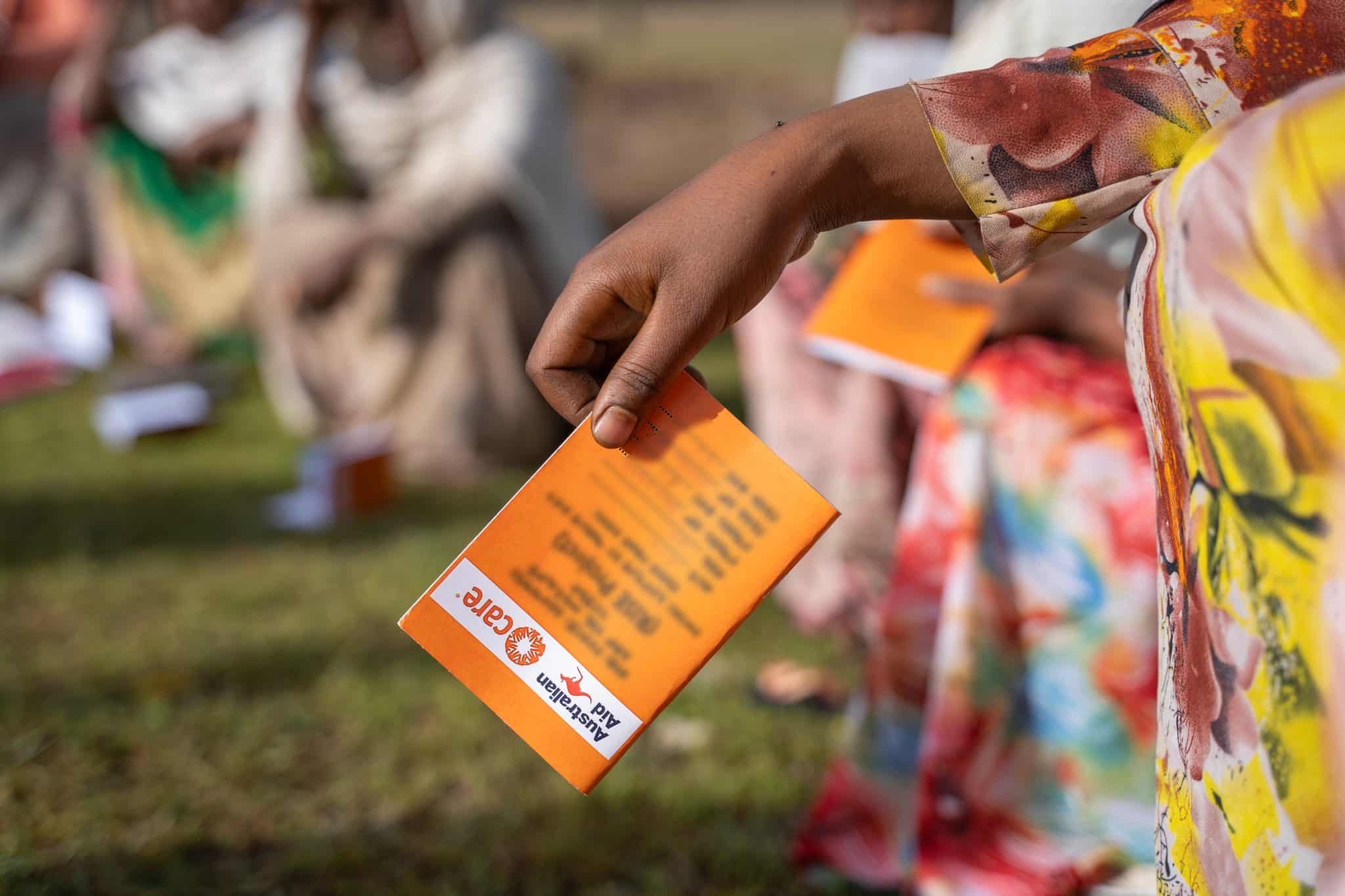
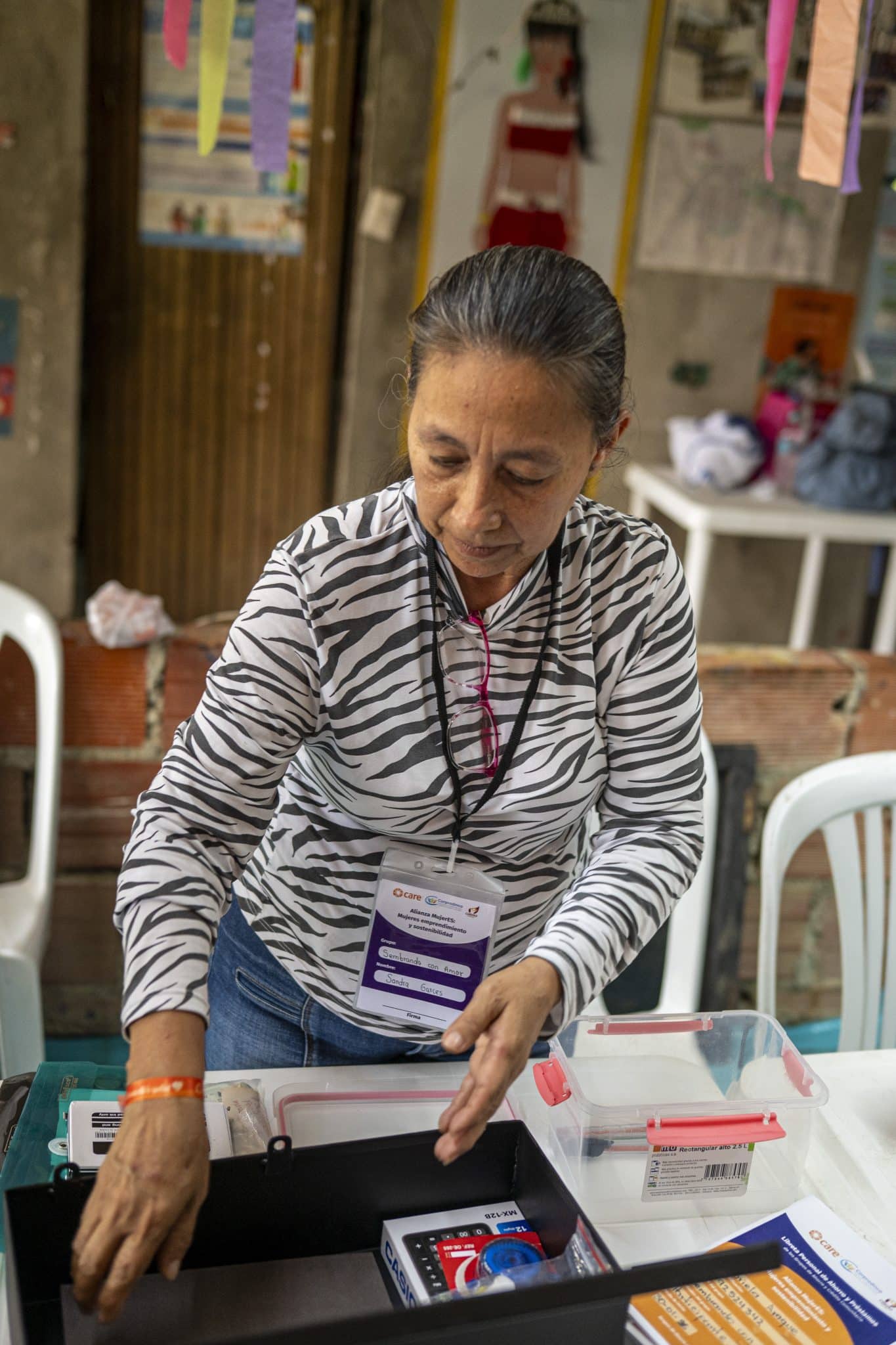
What VSLA work is CARE doing?
CARE’s VSLAs enable people to efficiently save and invest small amounts of money to grow a new business. By 2030, CARE aims to support 50 million women and girls to use this community-led microsavings practice. These saving programs give women and girls vital financial skills to build their businesses by providing training in savings, loans and financial literacy.
CARE Australia and Talitha Project’s Tonga Yong Women’s Economic Resilience (TYWER) project, for example, adapts the Village Savings and Loans (VSLA) approach specifically for adolescent girls in Tonga. The project engages community leaders and families and provides girls with life skills training to boost self esteem and confidence. Participants also receive training in financial literacy and management, and support to establish income generating activities that contribute to their own and their families’ long term goals.
“At the beginning of last year, every time I would get money I would go straight to the shop and waste my money. I finally joined the savings group so that I could save my money for future needs like Christmas… when it got to December I had managed to save 75 pa’anga, and it really helped me to purchase what I wanted for Christmas. I could buy flowers to take to the cemetery for my relatives that had passed,” says seventeen-year-old participant Taimane*.
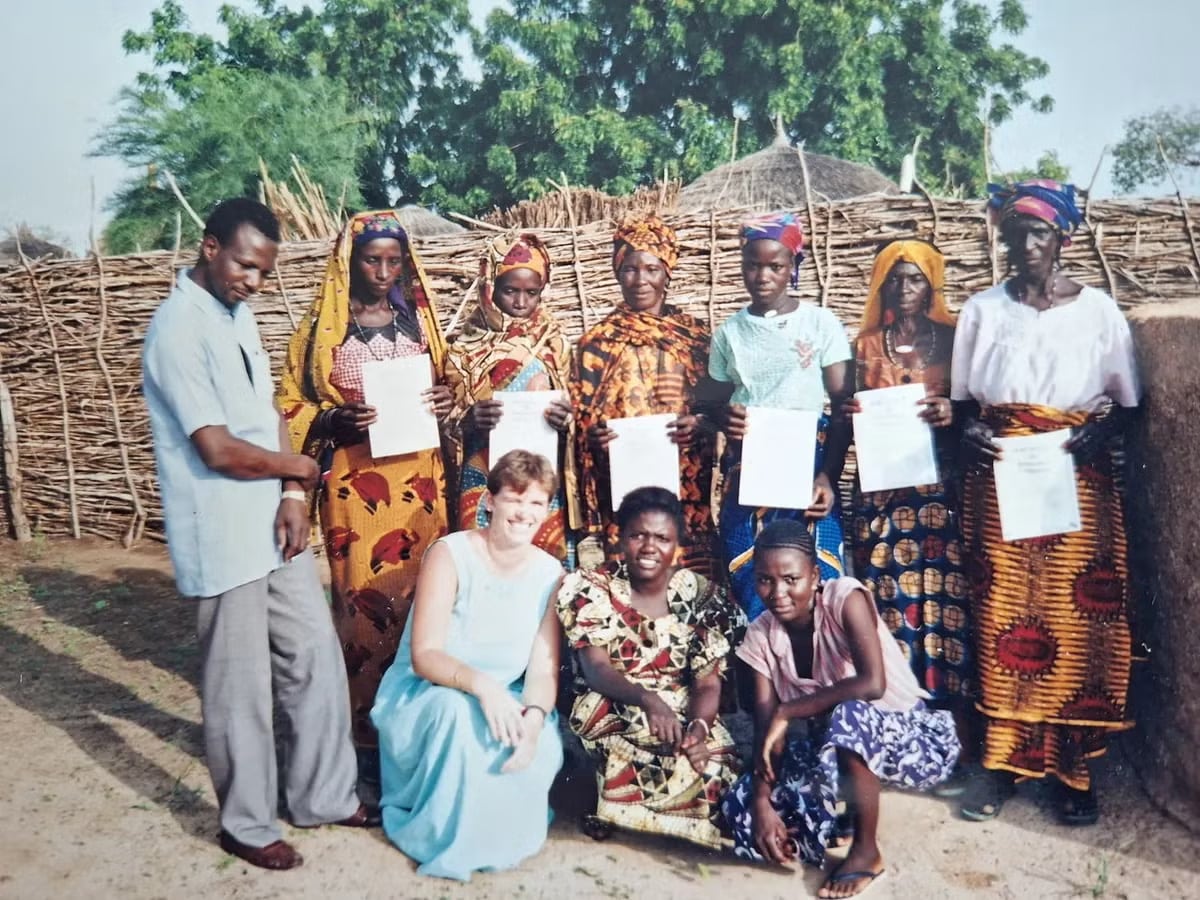
How it started
In 1991, Moira Eknes was a young CARE project manager in Niger tasked with adapting a successful tree-planting project for women in the community. On paper, it sounded straightforward. But the women weren’t interested in planting trees. What they needed was money for inputs and other income-generating activities, and a way to get it that didn’t mean borrowing from relatives or paying crushing interest to loan sharks. It didn’t take long for Moira to realise the plan needed to change.
Read the full story of how CARE’s Village Savings and Loans Association model began.
To support initiatives like Village Savings and Loans Associations, donate to CARE Australia today.
*Names changed to protect anonymity.
Photos: © Sosina Mengitsu/FIRMA/CARE, © CARE, © Chandra Prasad/CARE, © courtesy of Moira Eknes/CARE