With an impact that spreads over 80 years and across 90 countries, CARE Australia has garnered a robust reputation for delivering disaster aid programs that are tailored to communities worldwide.
From conflict zones with limited access to external humanitarian assistance to towns and regions adversely affected by natural disasters, CARE’s disaster and emergency aid supports millions of citizens around the world annually. Programs are also expressly designed to be respectful of local communities and their unique needs, with a focus on long-term recovery over short-term optics.
Here’s how CARE establishes their funds and effectively delivers their humanitarian aid programs in even the most complex conflict or disaster zones.
Table of contents
CARE’s approach to disaster aid
- Rapid response teams
- Highly localised, tailored aid programs
- Collective action and collaboration
- Safety and security management
- Long-term solutions to support recovery
Key focus points across CARE’s disaster aid initiatives
- Health in emergency zones
- Women’s leadership and collective action
- Cash and voucher assistance
- Hunger in disaster zones
Donate to CARE’s disaster and emergency funds
CARE’s approach to disaster aid
- Rapid response teams
CARE Australia is just a small part of a larger, global network that maintains access to humanitarian resources worldwide, including access to flexible funding. Our global emergency fund, for instance, is designed to ensure funds are always available to deliver an immediate response as emergencies arise. As the first 72 hours following an emergency are critical to delivering life-saving assistance, the management of the global emergency fund is a top priority for our humanitarian workers at CARE.
Alongside the global emergency fund that receives donations from CARE partners worldwide, CARE also draws on its network to establish rapid response teams led by humanitarians with localised knowledge (including the charities that comprise the Emergency Action Alliance), as well as local partner organisations that may be positioned to offer tailored assistance with the swift rollout of aid programs. This multi-pronged approach of flexible funding, rapid response times, and tailored, well-informed response teams helps keep CARE’s disaster aid programs focused and effective.
- Highly localised, tailored aid programs
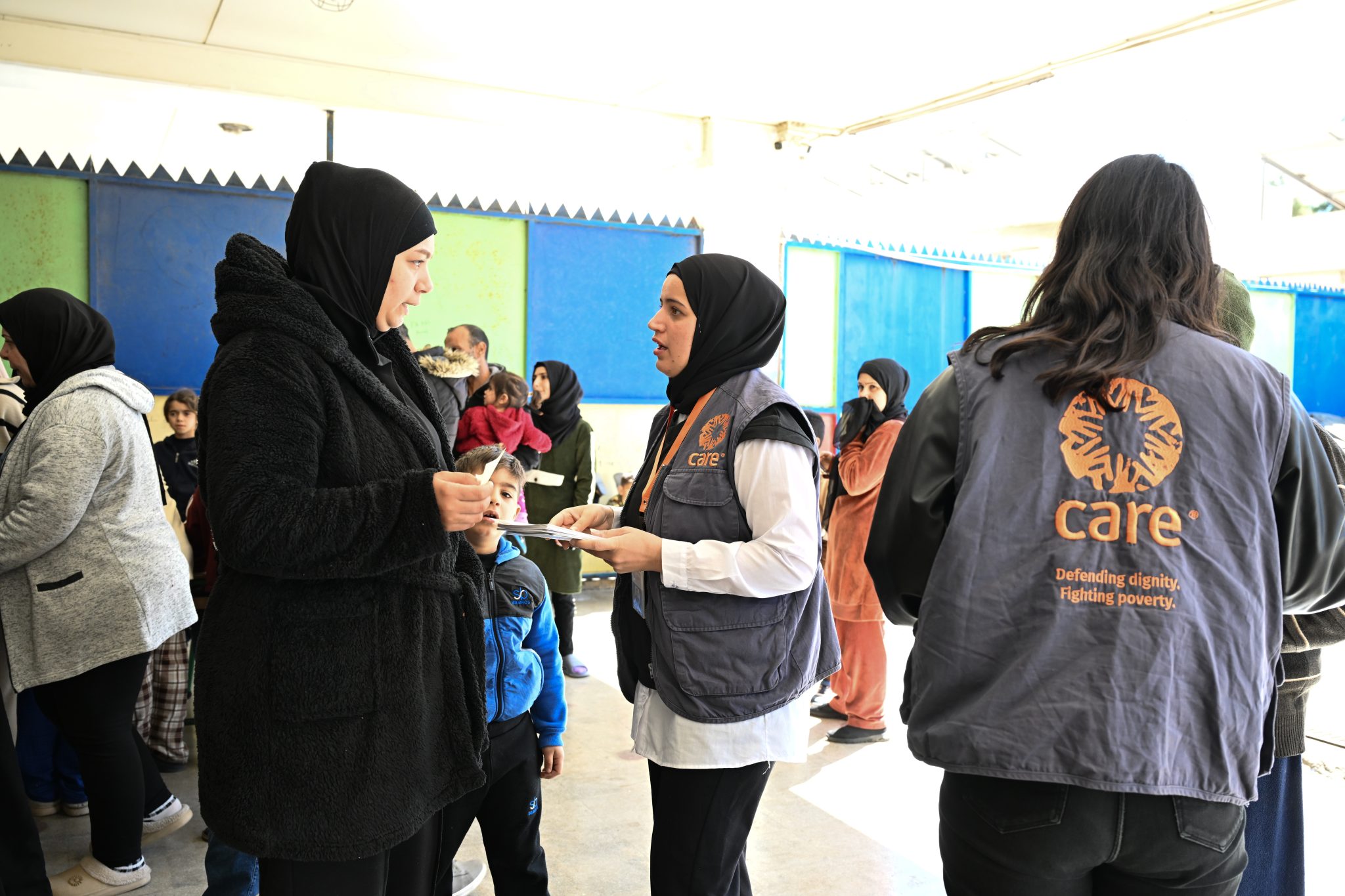
Alongside our rapid response times, CARE’s focus on partnering with local organisations and leaders also helps to make sure aid programs are designed to deliver the strongest impact for local communities. CARE makes a habit of partnering with local groups and organisations with boots on the ground (i.e. who are first responders and who possess a deeper, contextual understanding of the needs of their communities).
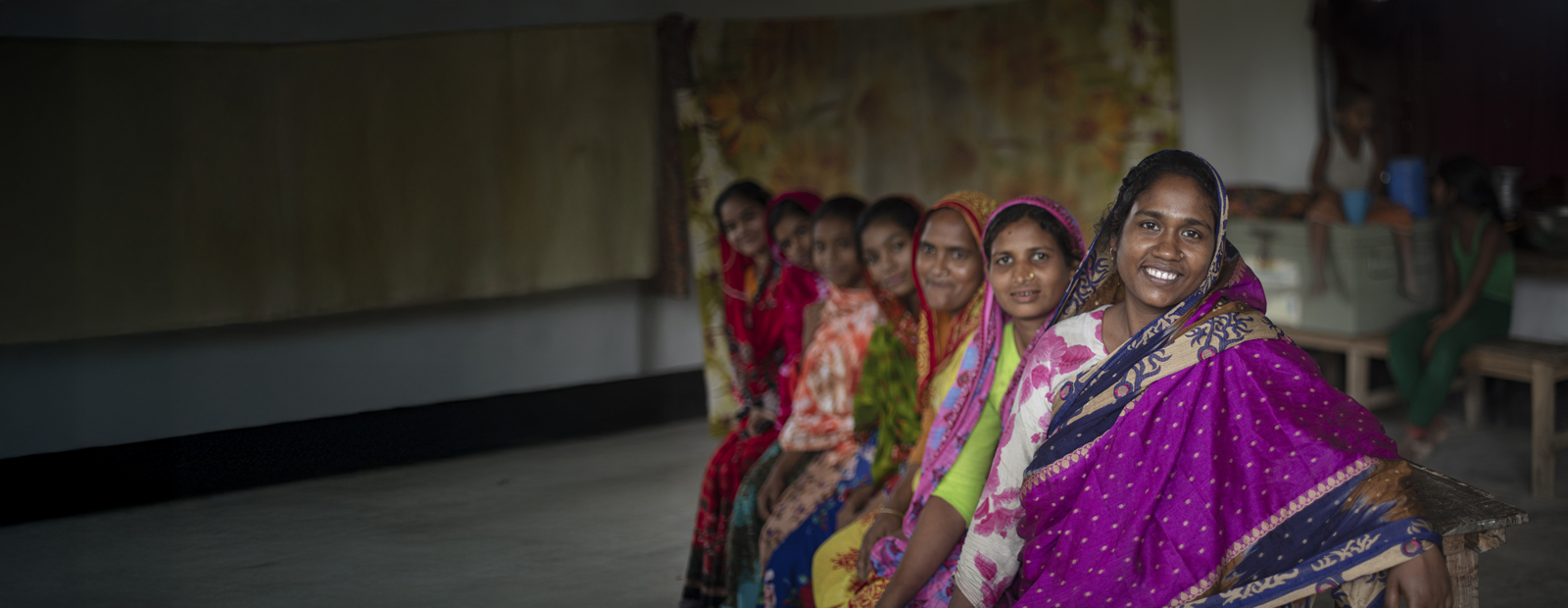
CARE also partners with women’s rights groups often, recognising the historically extensive impact of women leaders in humanitarian crises across the world. As women’s health in crisis situations also directly impact the health and wellbeing of children and families, localised aid programs also need insights from female leaders to ensure a stronger impact.
- Collective action and collaboration
Thanks to our international reach and access to partnerships with other local aid organisations and community groups, CARE’s approach to disaster aid ensures a well-informed development process. This process also inherently relies less on third-party research and more on active collaboration, supporting the development of aid programs based on real-time data and dynamic local knowledge, and less on static data points derived from multiple global sources.
These values of collaborative action maintained by CARE and our partner organisations are also designed to mirror the community-centric values we see worldwide. Across our most impactful photos of the year, you can witness the power of community action in transforming lives amid disasters and within conflict zones.
- Safety and security management
Gender-based violence (GBV) in disaster and conflict zones is of paramount concern to CARE Australia and our international partners. As a result, we always seek to tackle the root causes of violence against women and girls in local communities, and work to empower women in disaster and conflict zones. Some of the most potent initiatives in pursuit of this goal include investing in women’s healthcare as well as education programs for women and girls, recognising the power of women’s education in the fight against poverty.
On top of this focus on welfare programs for women and girls, CARE Australia also works to provide protection and safety for other marginalised groups, helping to prevent instances of abuse, neglect, and exploitation against vulnerable peoples. Our investment in women’s safety, local security, and child protection policies also ensures that our disaster aid programs maintain minimal risks to vulnerable peoples.
- Long-term solutions to support recovery
There’s a big difference between a tarpaulin for temporary shelter and a newly built hospital. At CARE Australia, our aid initiatives don’t just focus on short-term relief, but rather on long-term economic recovery.
We do this by collaborating with local organisations to identify and outline the long-term needs of communities. If a community urgently needs healthcare facilities, we partner with local organisations to help spearhead these essential civil developments. And if a community is in need of education resources and economic opportunities, we help to develop education and employment initiatives that are tailored to the needs of local communities. This informed approach helps support total recovery from disasters and in the aftermath of conflicts.
Key focus points across CARE’s disaster aid initiatives
- Health in emergency zones
Healthcare programs help communities combat preventable illnesses and conditions during crisis situations, supporting stability for local families. At CARE Australia, our healthcare programs are developed with support from local organisations to ensure health outcomes align with the needs of those communities.
A great example here is our work in maternal healthcare funding and resource provision in Papua New Guinea, helping to address generations of a recorded lack of access to maternity care, which resulted in higher risks of deaths from pregnancy-related causes. Both this initiative and similar programs rolled out in more recent years focused on delivering healthcare outcomes that would directly impact lived experiences for local civilians, and support community-led development programs to work towards total economic recovery.
- Women’s leadership and collective action
Speaking of total economic recovery, CARE Australia believes that the most impactful aid programs focus on long-term solutions over short-term fixes. As such, our programs are developed in tandem with community groups, putting local leaders in the driver’s seat. This helps us ensure that our emergency and disaster relief funds continue to go where they’re most needed.
Our approach to collective action also supports the empowerment and autonomy of women and girls. We work in partnership with women’s welfare organisations to ensure that women and girls who receive access to resources via our programs can act safely and in the best interests of their families and communities without risks of GBV, abuse, or other sources of violence.
- Cash and voucher assistance
At CARE, we take great pride in ensuring that the impact of your donations stays potent and delivers optimal outcomes. This is why we provide many ways to give, ranging from once-off to monthly donations, and even through gifting much-needed supplies and resources to communities via CAREgifts.
This versatility for our donors is also matched by our readiness to provide aid not only in the form of lifesaving CARE packages (i.e. with food and drinking water, clothing, healthcare supplies, etc.), but also via cash and voucher assistance (CVA) that provides even more autonomy to families by allowing them to independently purchase the supplies they need most.
Granted, CVA programs do need to be rolled out with respect to local communities and with the safety of citizens in mind. Our collaboration with local community groups helps to ensure that families that participate in CVA programs can do so safely.
- Hunger in disaster zones
Mass starvation has been a critical issue in Gaza for the past few years, and continues to threaten the lives of innocent civilians everyday. Similarly in Sudan, we’re seeing ongoing starvation risks for millions of people amidst the region’s ongoing conflict.
At CARE, our food and WASH (water, sanitation, and hygiene) programs help promote nutrition and health education, fighting malnutrition caused by poverty, conflict, or climate change, and ensuring that local health systems have the resources and information they need to deliver stronger nutrition outcomes over the long term.
Donate to CARE’s disaster and emergency funds
For over 80 years, CARE has delivered disaster and emergency aid that puts under-resourced communities at the centre. Our collaborations with local community leaders and organisations as well as other international aid organisations helps facilitate swift and comprehensive responses in the face of even the most drastic and complex disasters and crises.
Make your own contribution to any of our ongoing emergency funds. Donate now online at care.org.au, or learn more about us and the work that we do all over the world.