CARE began operating in Syria in 2013 to provide life-saving emergency assistance to people affected by the ongoing conflict, scaling up efforts over the past decade.
Relief efforts in Syria
CARE has been operating in this region for decades, but our work in Syria grew significantly over the last decade since the beginning of the modern Syria crisis. CARE began operating in Syria in 2013 to provide life-saving emergency assistance to people affected by the ongoing conflict. Through a network of local partners, CARE’s response in Syria includes support for food security and the re-establishment of livelihoods options. We are helping provide cash assistance and relief supplies, such as food baskets, baby kits, dignity kits for the elderly, access to water, sanitation, and hygiene items, and shelter.
Where possible, CARE helps rebuild livelihoods, developing resilience programs and providing families with early recovery support, including agricultural production, livestock programs, cash for work, microfinance, and concerted protection programming, including for violence against women and girls, case management, and psychosocial programming.
The Syrian crisis has been ongoing for more than a decade, and CARE remains gravely concerned about the impact of the conflict on civilians, who continue to pay a heavy price. Since 2011, the Syrian conflict has triggered the largest displacement crisis in the world with 7.2 million internally displaced and 6.2 million Syrians in neighbouring countries such as Jordan, Lebanon, Egypt, Türkiye, or Iraq. Over half of this combined 13 million are children.
Following the regime change in Syria, thousands of Syrian refugees have returned home. Nonetheless, the country still faces significant challenges and 16.7 million people are in need of humanitarian assistance.





Syrian Refugee Crisis
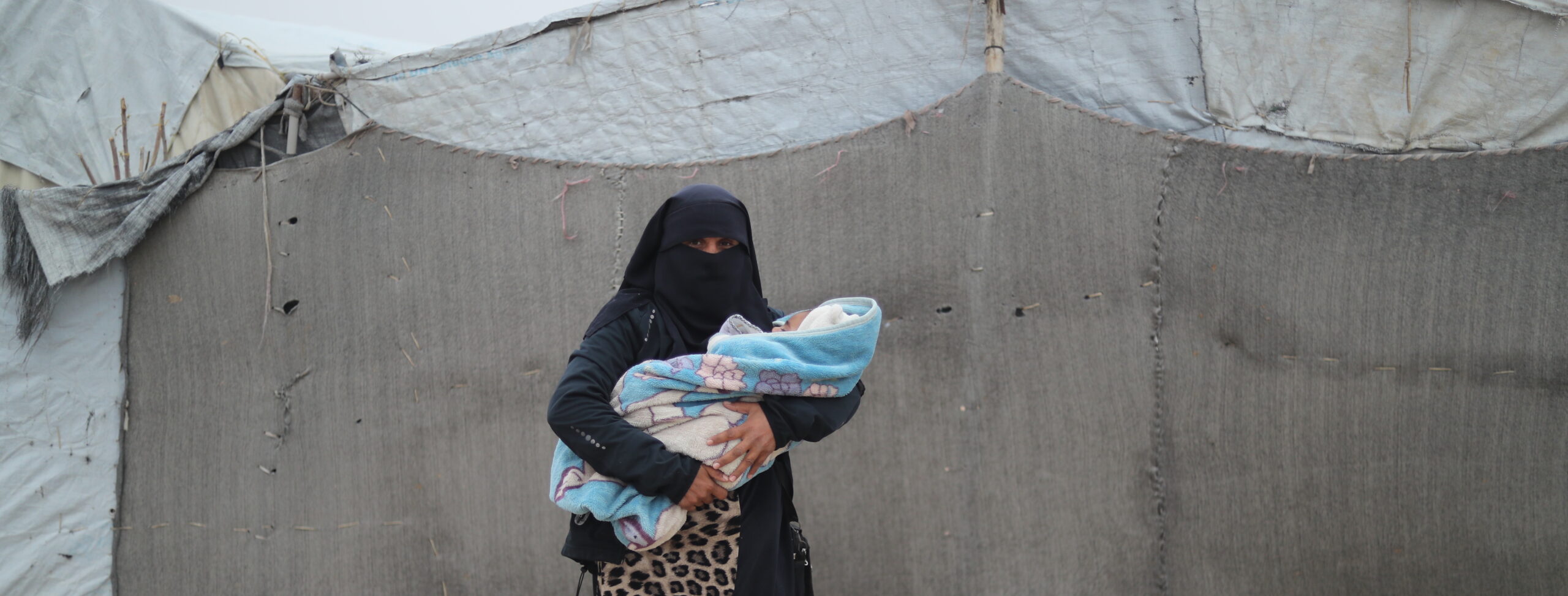
Desperate to flee the violence in their homeland, thousands died at sea or perished on land. Those who remained in Syria, many women, children and their families, urgently needed assistance. Through our national partners, CARE delivered emergency aid, shelter kits and food parcels to displaced families in areas under siege within Syria.
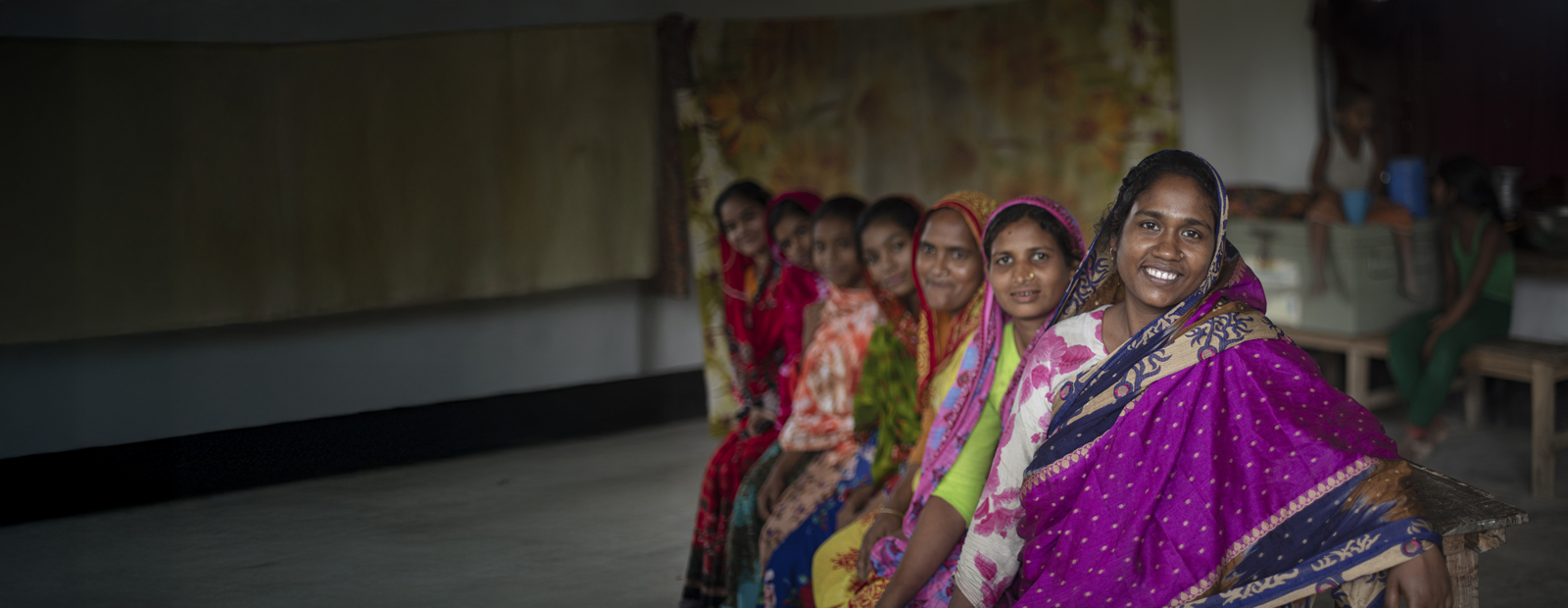
More than 75 per cent of the refugees who fled Syria were women and children. In conflict, women and girls are particularly vulnerable. Even in times of peace, it’s usually women who look after children, the sick, the injured and the elderly. When an emergency strikes, this burden of care multiplies. The vulnerability and responsibilities of women are further increased by the loss of husbands and livelihoods, and the need to procure essentials for family survival.
Following this, families then faced a cholera outbreak, catastrophic living conditions, and worsening climate-induced crises. With Syria’s healthcare system on the brink of collapse, the needs of vulnerable people were critically unmet.
CARE reached over 4.5 million people affected by the Syria Crisis in Jordan, Lebanon, Turkey, Egypt and Syria.
The two devastating earthquakes in early 2023 further impacted vulnerable communities in Syria and across the border in neighbouring Türkiye, where a large number of Syrian refugees call home. In addition to immediate humanitarian needs, CARE developed resilience programs, providing families with livelihoods support, and microfinance.
Please give now to CARE Australia’s Global Emergency Fund to provide lifesaving support to families all around the world enduring crises like this.
Donate now
Support our ongoing work to create a more equal world.
Your donation can help end extreme poverty and give people the means to build a better future for themselves in countries like Syria.
For those living in extreme poverty, your support brings education and training, healthcare and clean water, nutritious food, and new ways to earn an income. And in times of crisis, you help us deliver emergency relief. Please donate today.
Photo: © Delil Souleiman/CARE and © CARE Germany.