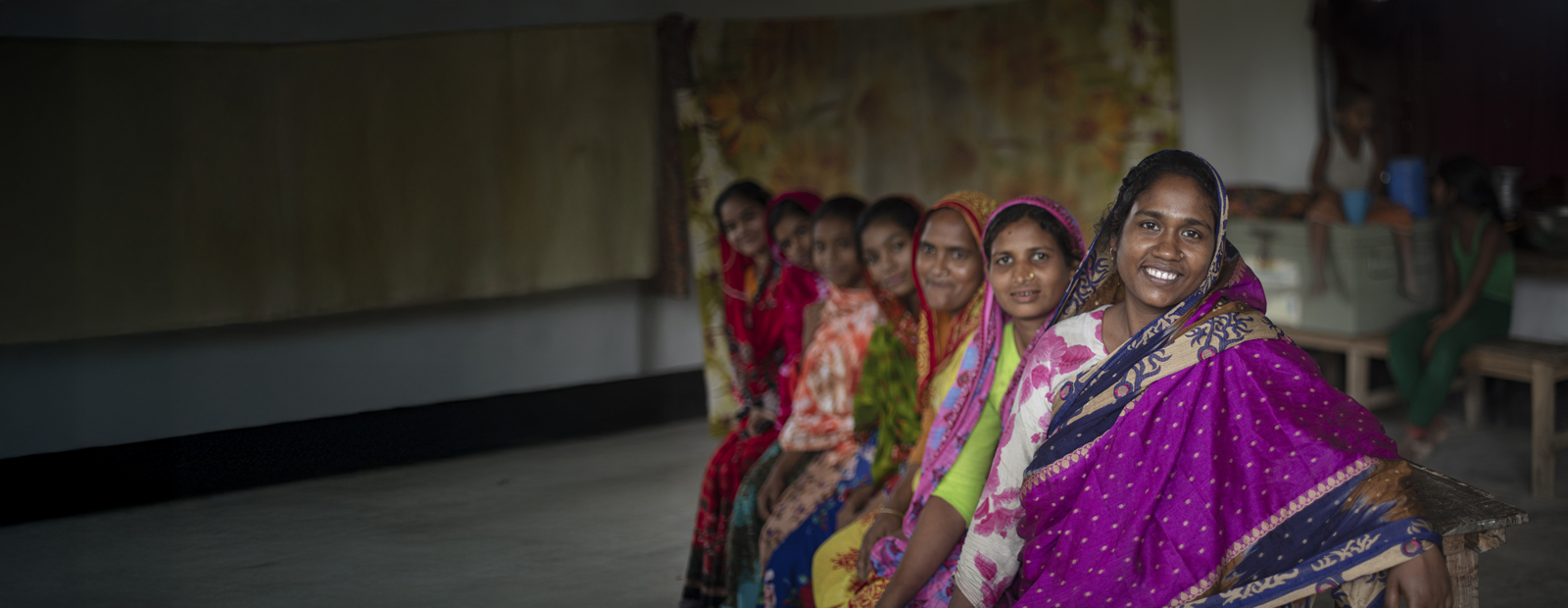
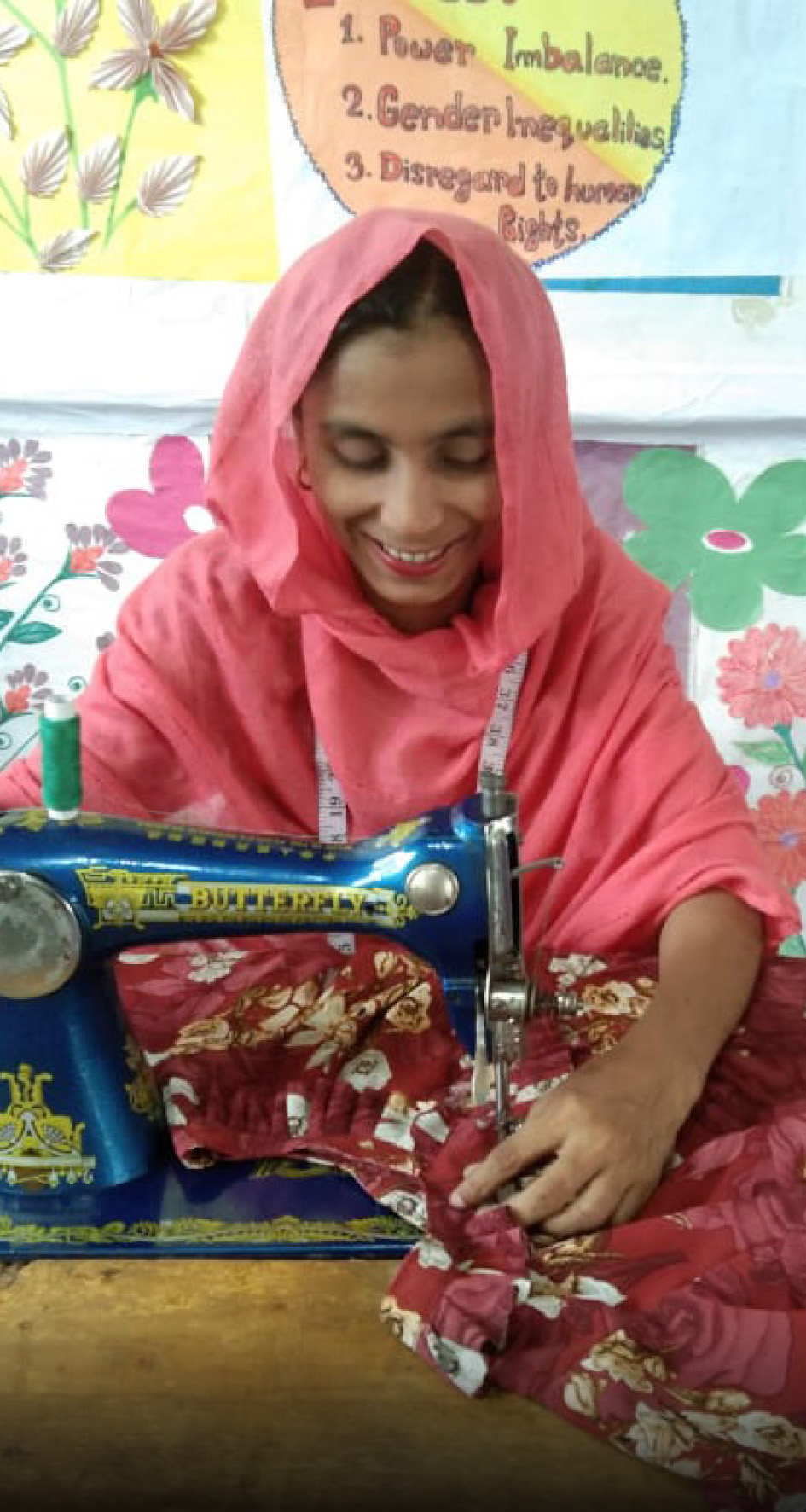
Salma* takes part in a sewing class as part of a Women and Girls Safe Space (WGSS), operated by CARE and partner Mukti Cox’s Bazar, in Bangladesh
The world’s largest refugee camp, Cox’s Bazar in Bangladesh, hosts over 850,000 ethnic Rohingyas who fled from neighbouring Myanmar.
CARE has worked in Cox’s Bazar and other refugee camps to provide shelter, water, hygiene, and sanitation (WASH) programs, vouchers for basic household items, and psychosocial and reproductive health services.
Meet Salma*, who arrived at the camp in Cox’s Bazar after fleeing violence in Myanmar in 2017.
Salma juggles continued grief of displacement, caregiving, and emotional distress while being the primary caregiver for five young children and her husband who lives with a physical impairment.
Limited support and the pressure of these responsibilities left Salma feeling overwhelmed, isolated, and mentally exhausted.
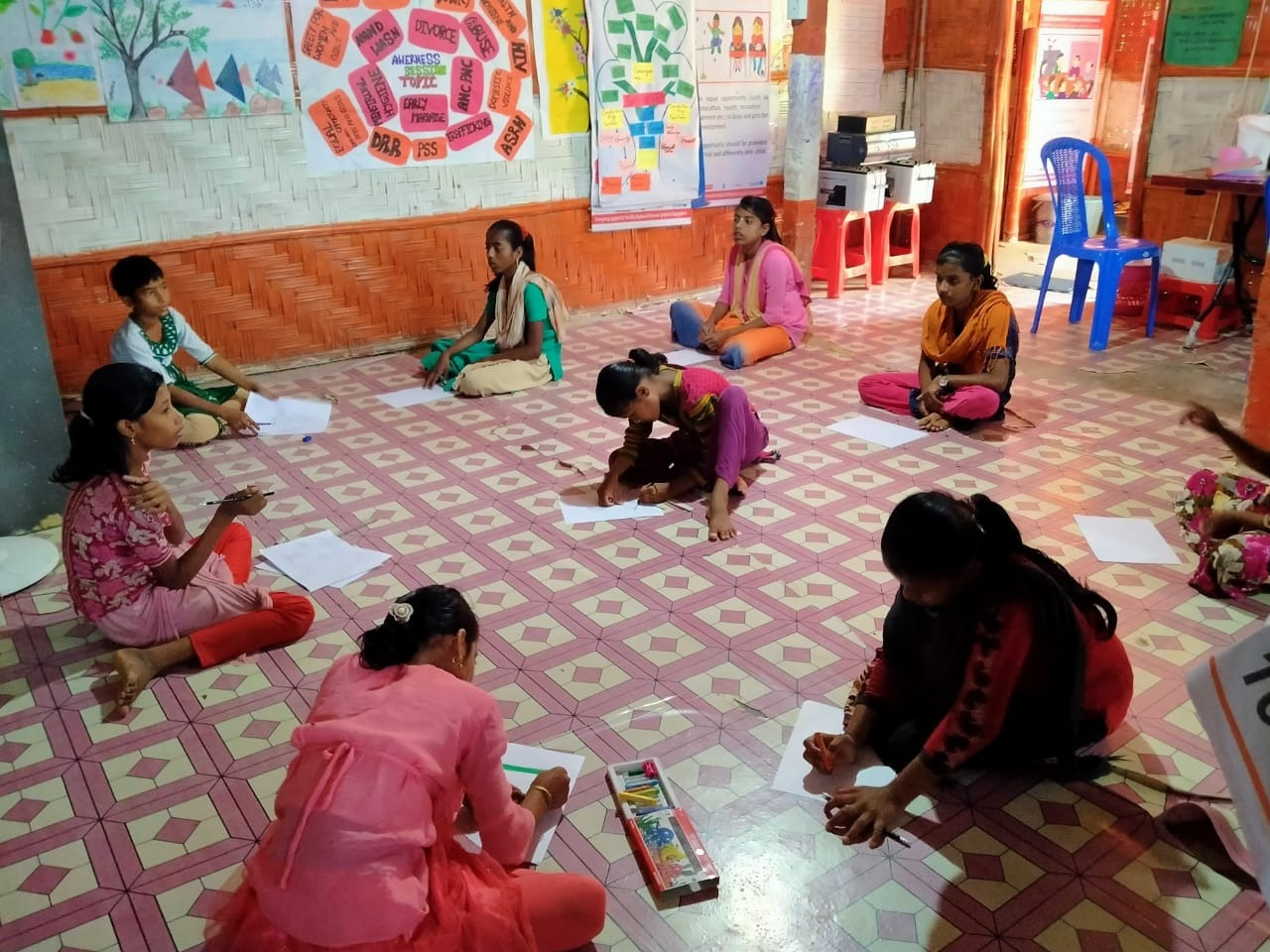
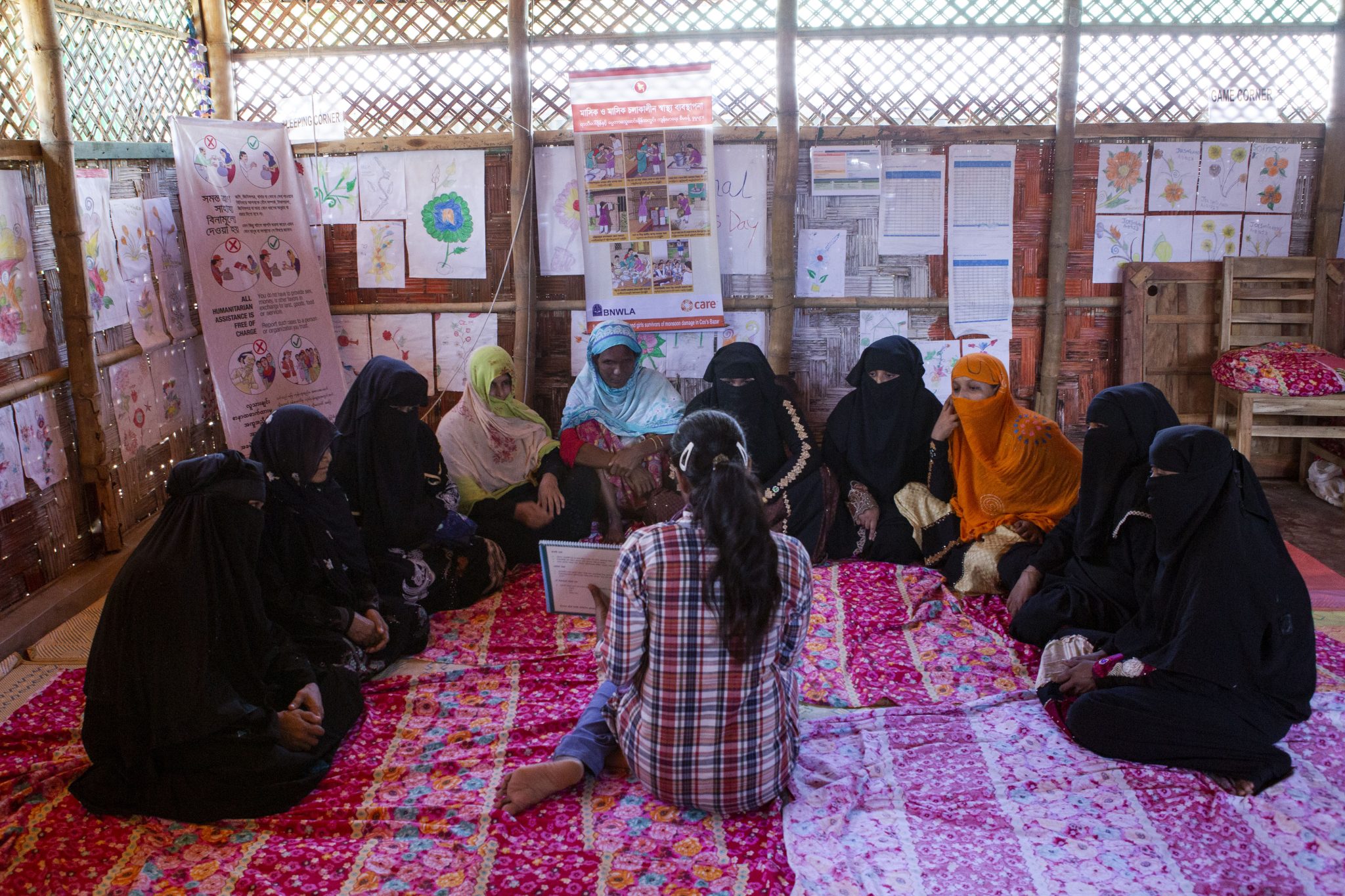
Salma was discovered during a door-to-door visit by female volunteers from the Women and Girls Safe Space (WGSS), operated by CARE and partner Mukti Cox’s Bazar, a support initiative for women and girls living in the camps.
Both organisations provide psychosocial support, recreational activities, mental wellbeing and skill-development sessions.
The women and girls in the camps fondly call the centres where these support activities take place, “Shantikhana”, which translates to “a place with peace”.
After being invited to visit WGSS, Salma was welcomed by a trained female caseworker. Through regular one-on-one psychosocial sessions, Salma began to share her challenges, process her grief, and rebuild her confidence in a confidential, supportive environment.
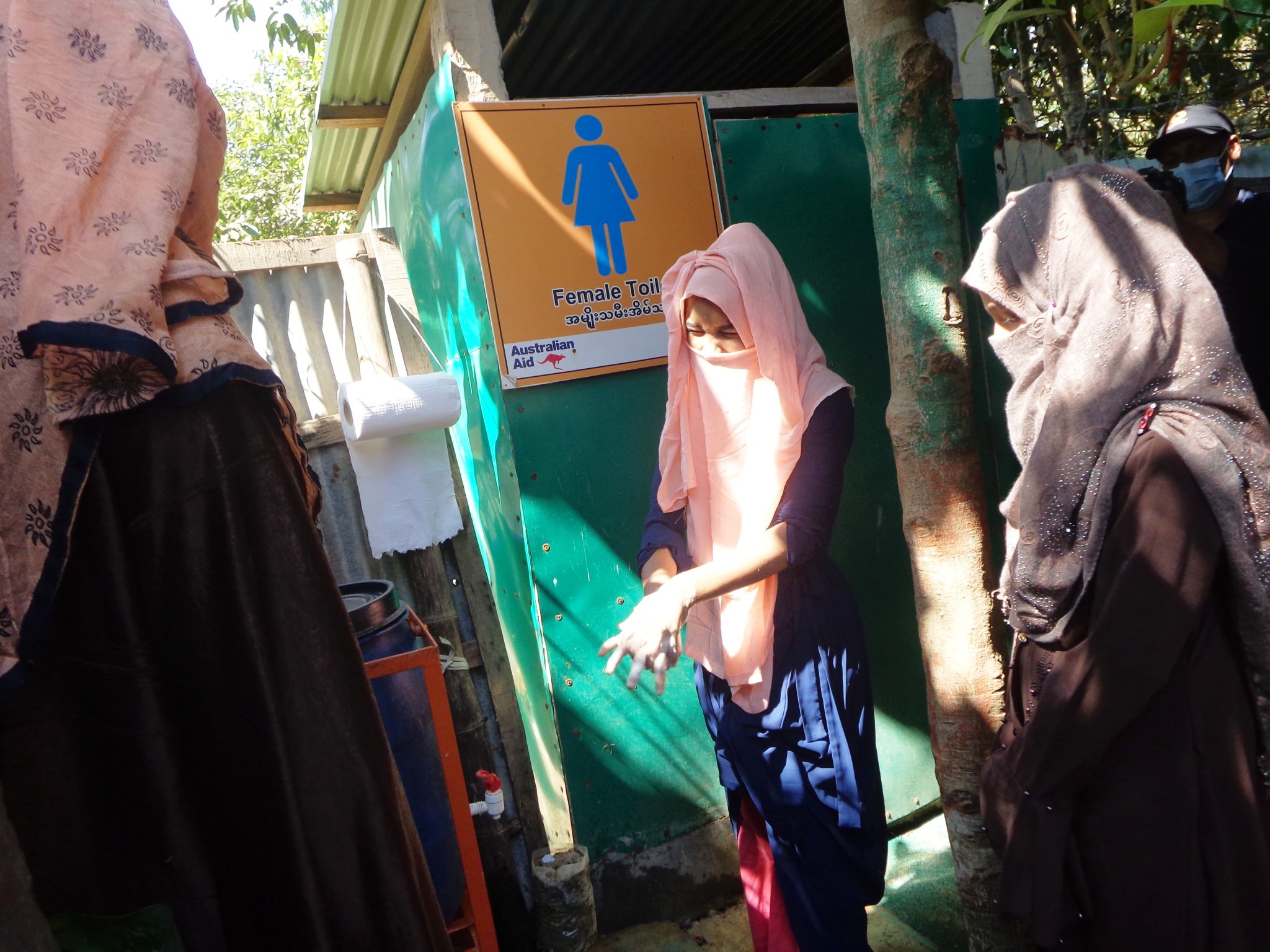
Salma also joined group sessions on gender-based violence, women’s rights, and emotional resilience. She participated in healing activities such as storytelling, breathing exercises, and skill-building activities such as sewing and tailoring, which provide Salma with opportunities for social connection and future livelihood options within the camp.
“Before, I didn’t even have a moment to breathe or speak about my pain. At Shantikhana, I found people who listened. It became a place where I could heal,” says Salma.
Salma’s adolescent daughter Asma* also received support from WGSS. Asma enrolled in peer-support groups and life-skills sessions which offered personal growth and the opportunity to connect with other girls her age.
*Names changed to protect anonymity
Want to contribute? Donate to CARE Australia today, or find more ways to give and support our humanitarians worldwide.