This article has been written by Sam Quinn, Climate and Partnerships Lead at CARE Australia.
For decades, Pacific countries have been among the world’s strongest advocates for stronger climate action. As COP31 gets underway, the question is whether the international community is finally prepared to match that leadership with meaningful action.
Few regions have done more to push the world towards ambitious climate commitments while contributing so little to the emissions driving the crisis. Pacific countries have helped shape the international response to climate change, even as their own communities face growing threats to livelihoods, cultural heritage and the places they call home.
The recent Pacific Pre-COP meetings in Fiji and Tuvalu reinforced a message that Pacific leaders have delivered consistently for years: the world must keep the 1.5°C goal within reach, accelerate the transition away from fossil fuels and provide vulnerable countries with the resources to protect their communities. With Australia taking a leading role in negotiations, COP31 will be an important test of whether those demands are finally met with the action they deserve.
The Pacific’s influence on global climate action
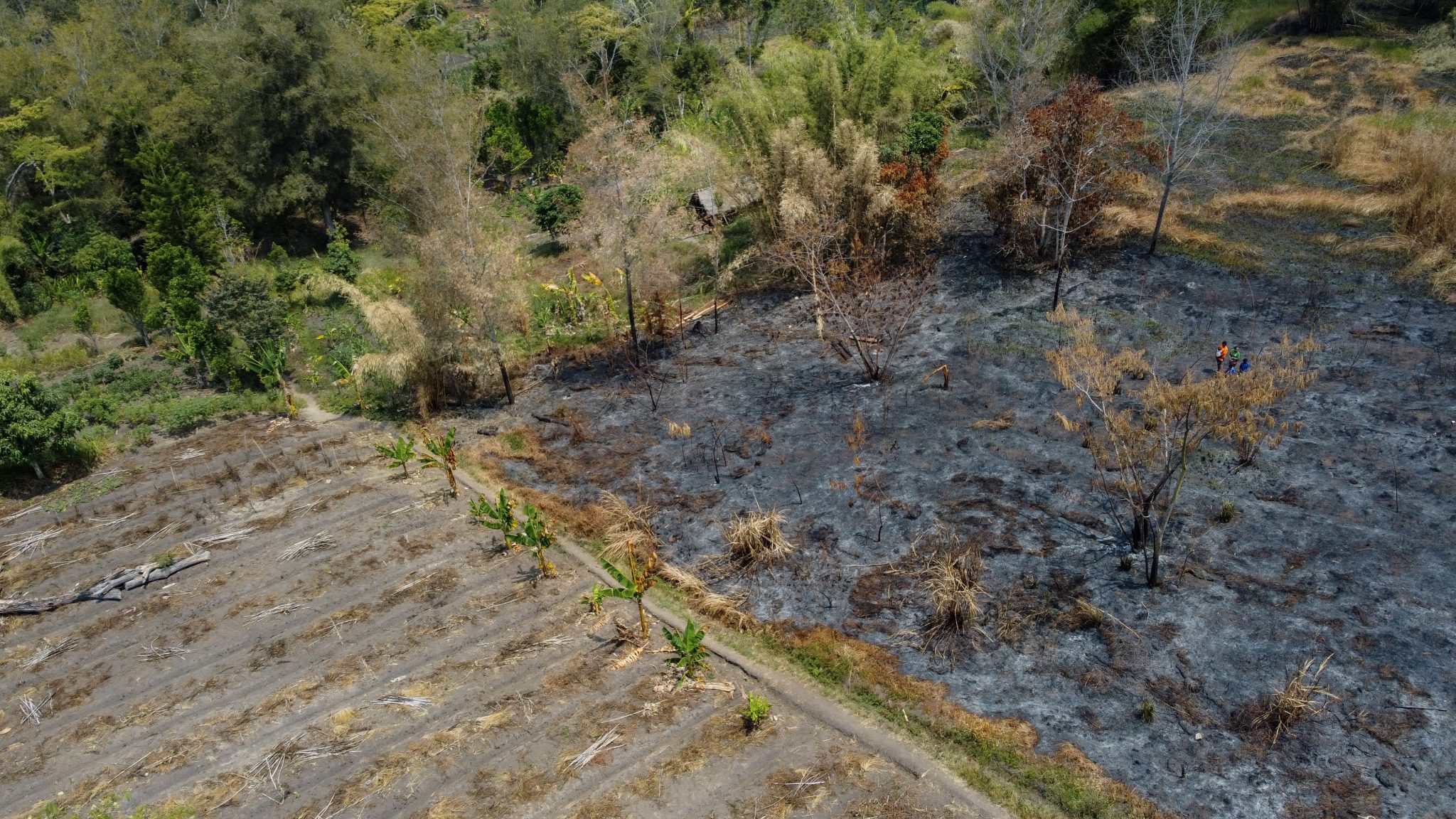
The Pacific’s contribution to international climate policy is too often overlooked. Despite the region’s relatively small populations and economies, Pacific countries have exercised an influence far beyond their size, consistently challenging major emitters and helping shift the boundaries of what governments are prepared to agree to.
Pacific countries were among the strongest advocates for the 1.5°C temperature goal recognised in the Paris Agreement, at a time when many larger economies resisted a more ambitious target. Pacific governments and civil society also helped secure international recognition of loss and damage, ensuring that the consequences of climate change for the world’s most vulnerable countries could no longer be treated as a secondary concern.
More recently, the campaign that led to the International Court of Justice’s landmark Advisory Opinion on climate change began with students in Vanuatu. What started as a youth-led initiative grew into a global movement demanding greater clarity on countries’ legal obligations to address climate change and protect those affected by its impacts at the world’s highest court. It is a powerful example of how Pacific leadership continues to shape international expectations of responsibility and accountability.
That determination was evident again at the Pacific Pre-COP meetings in Fiji and Tuvalu, where twelve Pacific leaders, alongside senior ministers and international representatives, established common priorities through the Taku Pakasoa Declaration. Their demands included stronger emissions reductions, increased climate finance, greater recognition of oceans and support for Pacific-led institutions, including the Pacific Resilience Facility. Importantly, they also brought the transition away from fossil fuels back onto the political agenda after it was omitted from the COP30 outcome.
For Australia, these discussions raise an uncomfortable but necessary question: How can it credibly champion Pacific climate priorities while continuing to support the expansion of coal and gas production and exports? Australia’s partnerships with Pacific countries matter, but so too do the policy decisions it makes at home. As President of Negotiations at COP31, it has an opportunity to help secure stronger international commitments, although credible leadership will ultimately require a change in its own approach to fossil fuels.
The growing cost of climate change in the Pacific
The scale of the challenge facing Pacific countries is difficult to overstate. The region needs an estimated US$ 3.3 billion annually for climate adaptation, equivalent to an average of 22.5% of GDP across Pacific Island countries. Yet recent international adaptation finance disbursements cover only around a quarter of these estimated needs.
For countries with small economies, constrained public resources and some of the world’s highest exposure to climate hazards, this is an extraordinary burden. It means difficult decisions about which communities receive coastal protection, where water infrastructure can be strengthened and how much can be invested in resilient agriculture and disaster preparedness. Delaying these investments comes at a cost, particularly when communities are already experiencing the consequences.
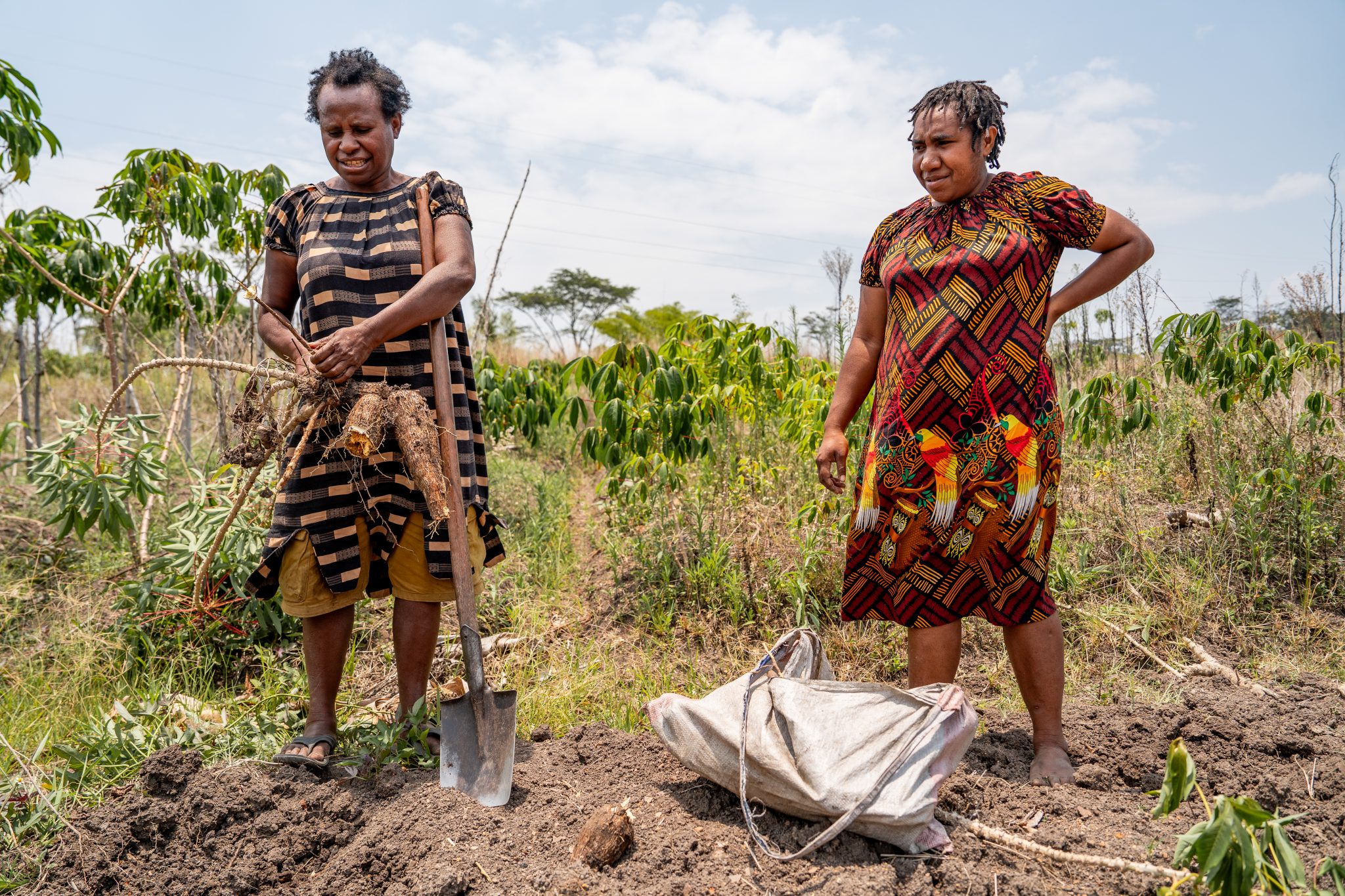
The current El Niño is a stark reminder of the risks ahead. Forecasts suggest it could become the strongest event since reliable records began in 1950, with conditions expected to peak towards the end of 2026 and persist into 2027. Across parts of the western Pacific, this raises serious concerns about prolonged drought, water shortages and disruption to agricultural production, with potentially severe consequences for food security and livelihoods.
El Niño is a natural climate phenomenon, but it is unfolding against a backdrop of rising global temperatures, which can intensify drought through increased evaporation and heat stress. For communities already struggling with unreliable rainfall, limited access to safe water and few alternative sources of income, another severe drought can undermine years of progress in livelihoods, health and education.
For low-lying island countries, rising seas present an equally daunting challenge. In Tuvalu, climate change is threatening the very existence of a nation. Projections suggest that up to 95% of the country could be underwater by 2100, raising the devastating prospect of an entire population losing its homeland. Tuvalu is now building elevated land to protect its communities while taking extraordinary steps to preserve its sovereignty, culture and identity should its islands become uninhabitable.
What is most concerning about these impacts is how much of what communities stand to lose cannot be captured in economic figures. Across the Pacific, land and ocean are inseparable from cultural identity, traditional knowledge and community relationships. Coastal erosion, environmental degradation and displacement threaten sacred sites, ancestral connections and the passing of knowledge between generations. For families facing the prospect of relocation, leaving their land can mean leaving behind places that hold generations of history, identity and belonging.
There is also the psychological burden of living with that uncertainty, of not knowing whether children and grandchildren will be able to remain in their communities or maintain the traditions that have shaped them. These losses are rarely reflected in conventional assessments of climate damage, yet they are among the most profound consequences of the crisis.
We see the more immediate pressures across CARE’s work in the region. In Papua New Guinea, severe drought has affected millions of people, with water shortages contributing to school closures and absenteeism. In Timor-Leste, crop failure can undermine household incomes and food security, while in Vanuatu, limited access to safe drinking water leaves communities particularly vulnerable during prolonged dry periods. Women and girls, people with disabilities and those living in remote communities often face the greatest difficulties in responding to these pressures.
Across the Pacific, CARE and its partners work alongside communities to strengthen water security, disaster preparedness and climate-resilient livelihoods. This work reinforces something that should be central to international adaptation efforts: communities understand their environments, the risks they face and the cultural priorities that must inform solutions. Their knowledge and leadership are essential, but they need sustained investment and support to turn local priorities into effective action.
We also need to recognise that adaptation has limits. Some ecosystems, cultural sites and ancestral lands may be permanently lost as climate impacts intensify. It is neither realistic nor fair to expect Pacific communities to manage these risks indefinitely while the world continues to fall short on emissions reductions and climate finance.
Climate finance must translate into practical support
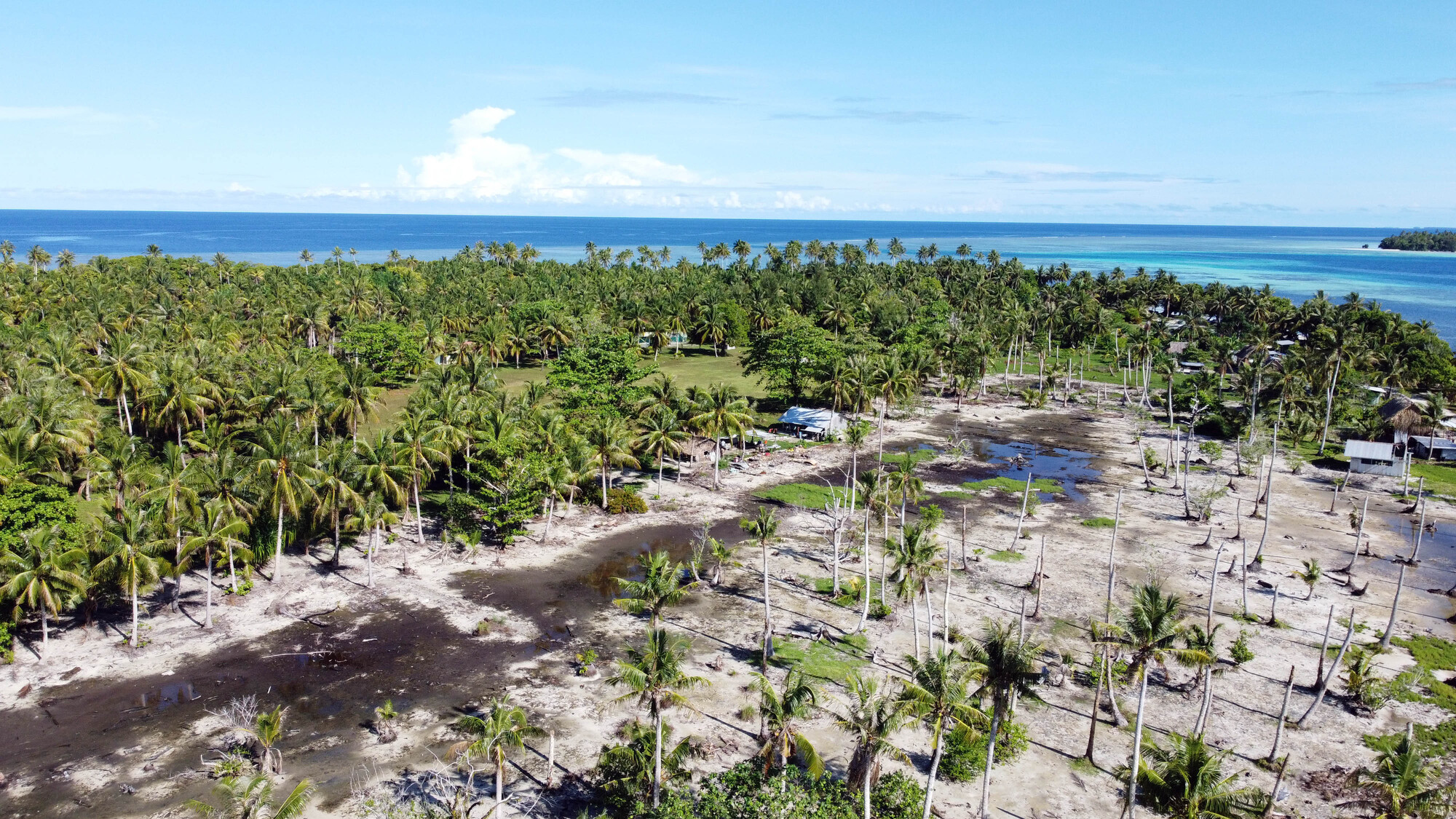
The gap between what Pacific countries need and the finance they receive is a serious concern, but the challenge goes beyond the amount of funding available. Too often, international climate finance remains difficult to access, with complex application requirements, lengthy approval processes and demanding reporting obligations that place resources beyond the reach of smaller governments and local organisations.
Importantly, however, organisations closest to communities are often best placed to understand their needs and deliver effective adaptation. Pacific countries need predictable, accessible and primarily grant-based funding that does not add to already constrained public finances. Strengthening Pacific-led institutions, including the Pacific Resilience Facility, would help place greater control over financing decisions within the region and direct resources towards locally identified priorities.
Greater support is also needed to address loss and damage, particularly where climate impacts are irreversible. Damage to homes, infrastructure and livelihoods is only part of the picture; the loss of cultural heritage, biodiversity, wellbeing and connections to ancestral land can be just as devastating, even when it is difficult to put a financial value on them.
At COP31, governments need to move beyond broad financing commitments and make tangible progress on increasing adaptation support, improving access and adequately resourcing the Fund for Responding to Loss and Damage. For Pacific communities, the value of these commitments will ultimately be measured by whether they translate into the resources needed to protect lives, livelihoods and ways of life.
COP31 must be judged by what it delivers
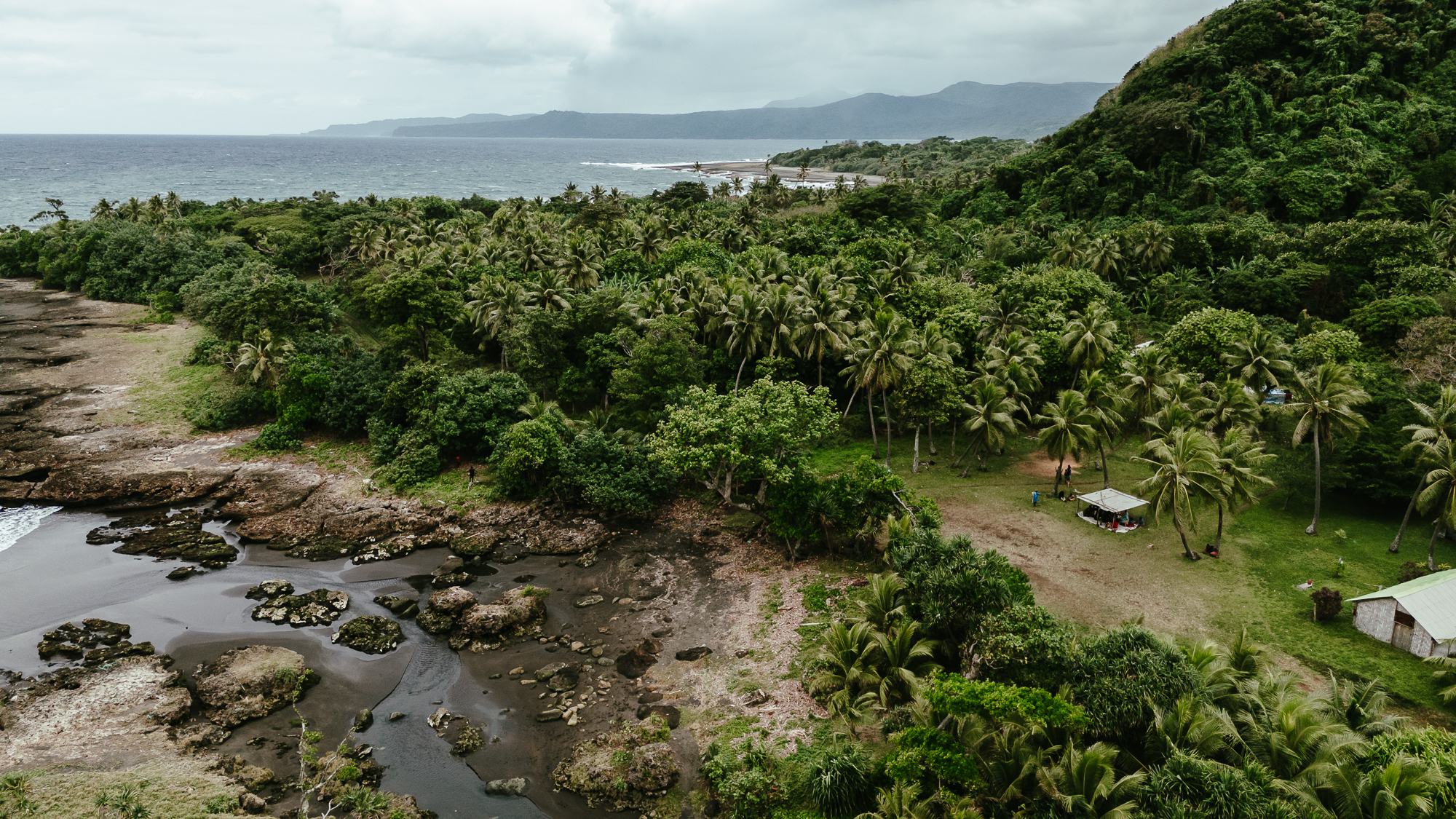
It is important to recognise that international climate cooperation has made a difference. Since the Paris Agreement was adopted, stronger national policies and the rapid expansion of renewable energy have helped reduce projected global warming, demonstrating what collective political action can achieve.
But we remain dangerously far from where we need to be. Current policies still place the world on a trajectory towards approximately 2.8°C of warming this century, with potentially devastating consequences for Pacific Island countries. Every additional fraction of a degree increases the risks of sea-level rise, extreme heat, drought and irreversible losses.
Pacific countries have spent decades helping shape international commitments to address these risks. They have consistently made the case for greater ambition, stronger accountability and a fairer international response, often in the face of resistance from far more powerful economies. Their priorities for COP31 are neither new nor unreasonable: stronger emissions reductions, a credible transition away from fossil fuels and climate finance that reaches the countries and communities facing the greatest risks.
Australia has a particular responsibility. As President of Negotiations at COP31, it has an opportunity to amplify Pacific priorities, build agreement among major economies and help secure meaningful progress on emissions reductions, adaptation and climate finance.
Yet Australia’s continued support for coal and gas production and exports remains at odds with the region’s calls for a rapid transition away from fossil fuels. For Australia to demonstrate credible climate leadership, diplomatic support for Pacific priorities must be accompanied by a substantive change in its own policies, including moving away from further fossil fuel expansion and supporting a just and equitable transition consistent with the Paris Agreement.
COP31 should be judged by whether governments deliver meaningful progress on commitments already made, rather than the ambition of another declaration. For communities across the Pacific, these negotiations are not an abstract exercise in international diplomacy. They have direct consequences for whether families can protect their livelihoods, whether communities can remain on their land and whether future generations can maintain their connections to the places they call home.
The Pacific has already shown what determined climate leadership can achieve. At COP31, Australia and the wider international community have an opportunity, and a responsibility, to match that leadership with the action and resources the region has long called for.
Visit our our page to explore how CARE is supporting communities to adapt to climate change impacts.