When violence shatters a community, access to clean water can mean the difference between safety and survival.
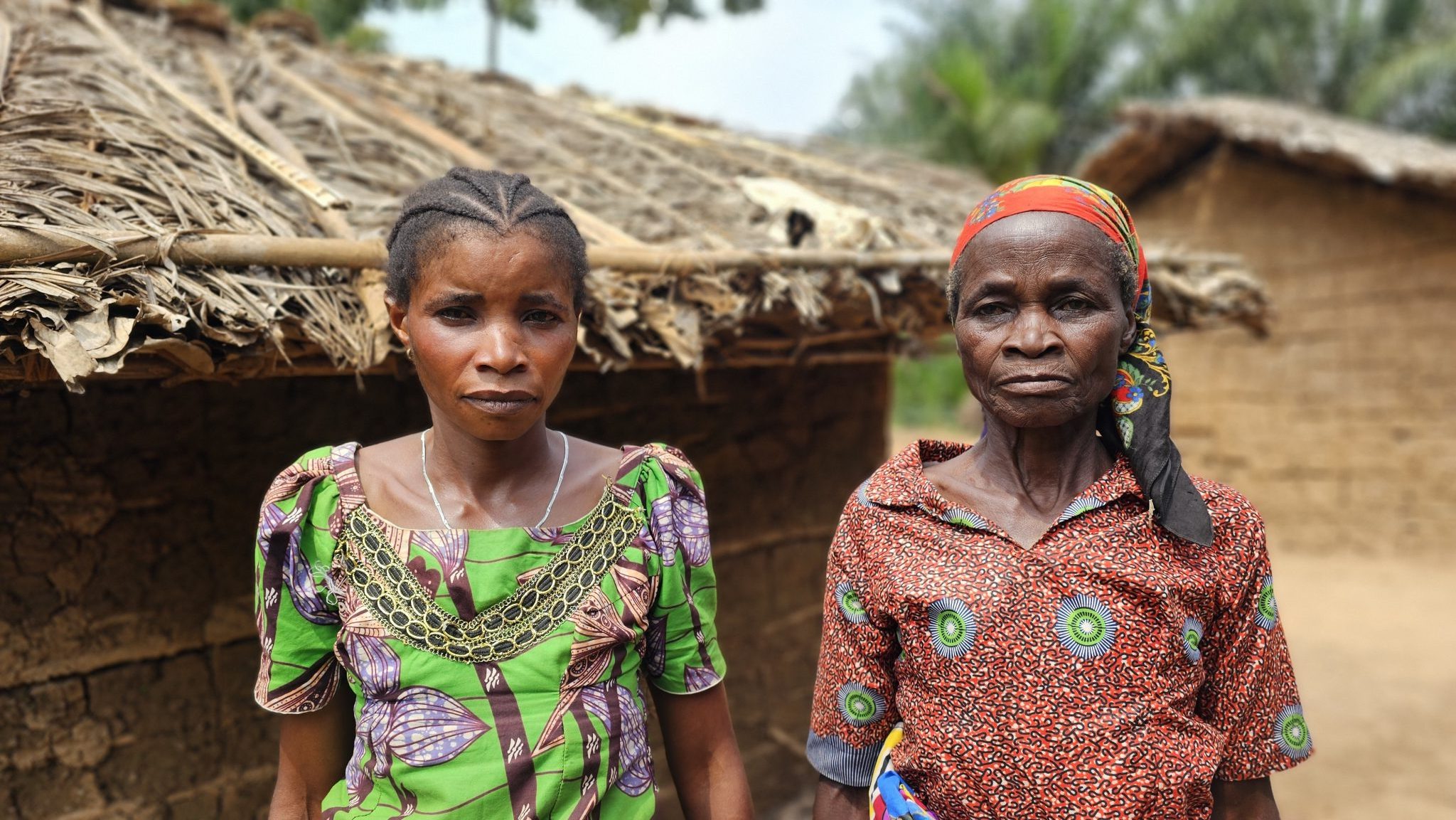
This was the reality for Esther and her mother, Afijau, when armed rebels attacked their village in the Democratic Republic of Congo, destroying homes and forcing them, along with many other families, to flee.
The hidden dangers of finding water
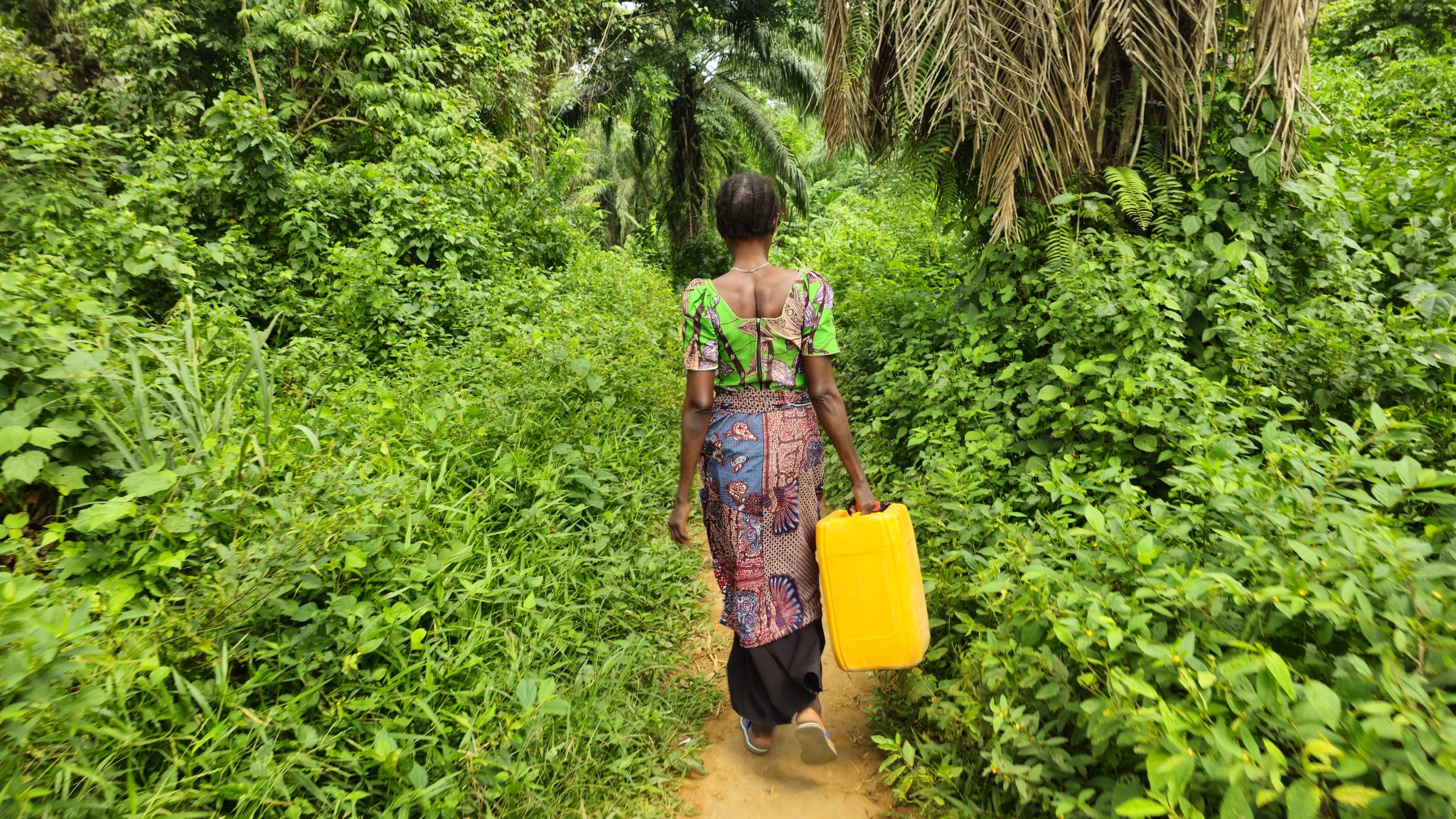
For millions of women and girls whose lives have been shattered by conflict and crisis, water is scarce and finding it often comes with added danger.
Collecting water can mean long, physically demanding journeys, where women and girls face the threat of violence and sexual assault. Even then, the only available water may be contaminated with bacteria, parasites or chemicals.
After fleeing, Esther and Afijau survived in what is locally known as “death’s corridor”: isolated roads where families live in constant fear and where few aid organisations can safely reach.
After a year and a half, they returned home. There was almost nothing left.
When we came back, our village looked like the jungle. There was nothing left. I felt crushed to see our village, our home, just disappear. My mother was so heartbroken.
There were no roads. No electricity. And the only available water source was a jungle watering hole with filthy, contaminated water.
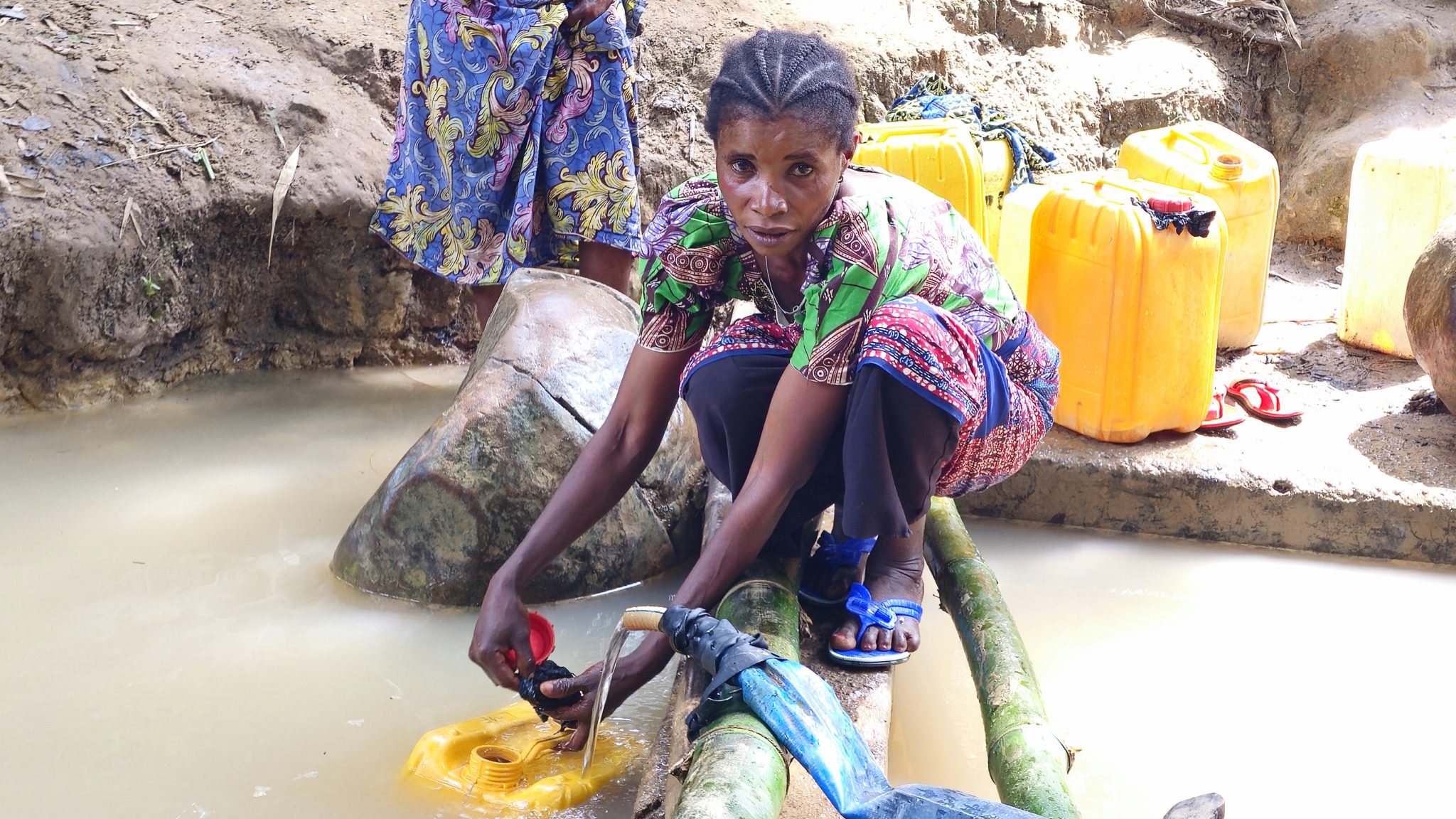
Despite the dangers around them, Esther and Afijau began rebuilding their lives. But safe, clean water remained out of reach. With no alternative, they continued collecting contaminated water from the jungle, water that made families sick.
The cost of illness
When Afijau fell ill, the medicine she needed from the nearest hospital cost one month’s wages. Esther walked for hours to buy it.
Some of us died because they had to wait too long for treatment, as we were not fast enough to raise the money.
CARE supported the opening of a local clinic where treatment is now free. Afijau can walk there to receive care for malaria, joint pain and dehydration without worrying about the cost.
The clinic has helped ease the health crisis, but it still relies on the same unsafe water that likely made Afijau and many others sick in the first place.
Esther and Afijau’s experience reflects a wider crisis. Across conflict zones where CARE works (including Sudan, Syria, Ethiopia, Yemen and Ukraine), lack of clean, safe water is a major humanitarian challenge.
Conflict destroys pipes, wells, water treatment systems and power supplies. Bombing and shelling damage infrastructure, while lack of maintenance and fuel prevents systems from functioning. Dangerous roads can block repairs and water deliveries, and displacement camps often lack the infrastructure needed to safely supply large populations.
Women and girls bear the burden
While water scarcity affects entire communities, its impact is not equal. Fetching water is often considered women’s work. Each day, women and girls walk for hours to collect it, missing school or work. Along the way, they face the risk of attack and sexual violence. They also live with the fear of preventable diseases such as cholera and typhoid.
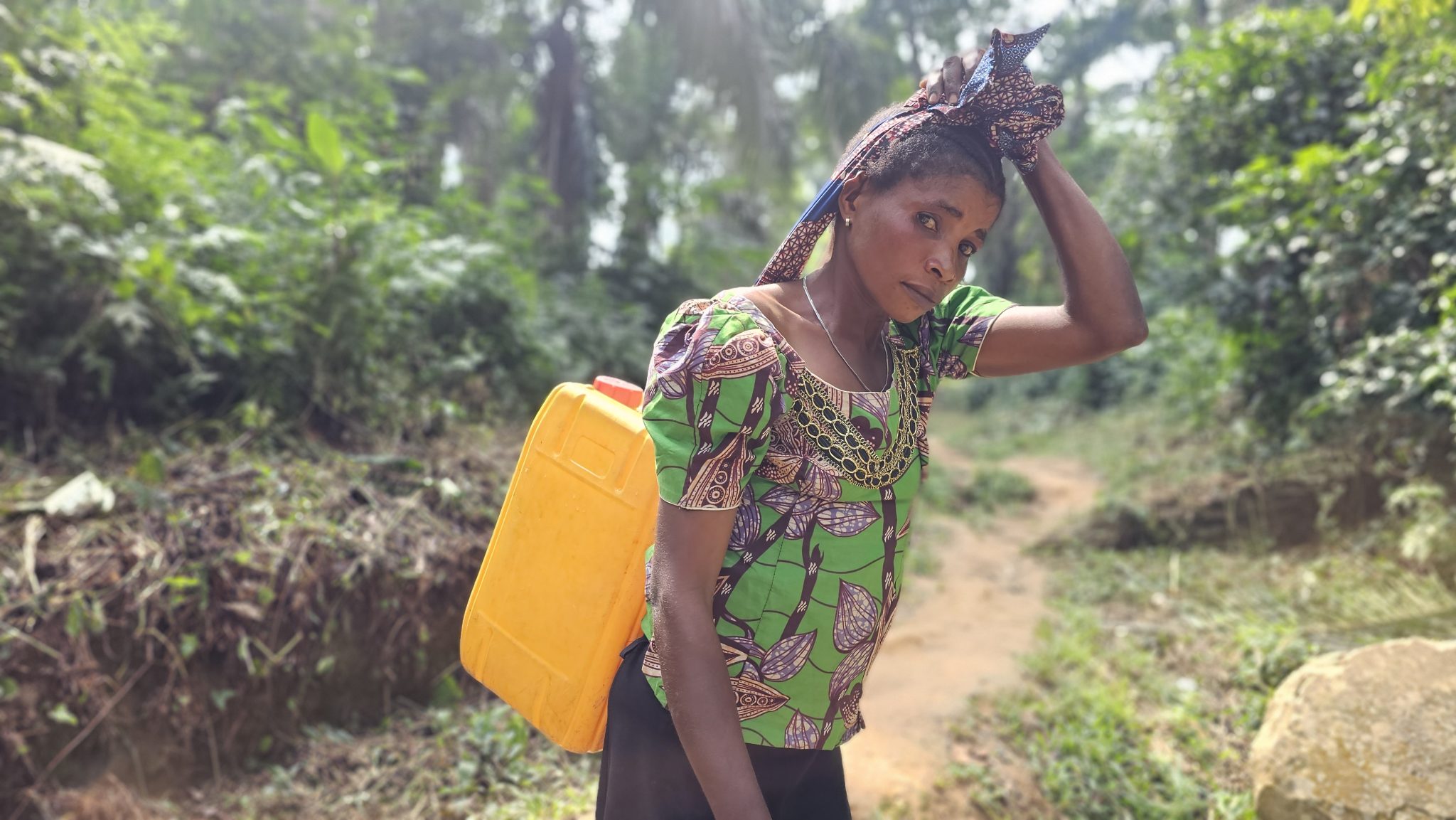
Without safe water, women and girls are forced to manage their periods without privacy, hygiene or dignity. Pregnancy and childbirth become more dangerous, increasing risks for both mothers and babies.
None of this will change without access to clean, safe water.
The water we have makes us sick.
Without it, women’s and girls’ health suffers. It limits their ability to get an education, earn a living, and fully participate in their communities.
Want to contribute? Donate to CARE Australia today, or find more ways to give and support our humanitarians worldwide.