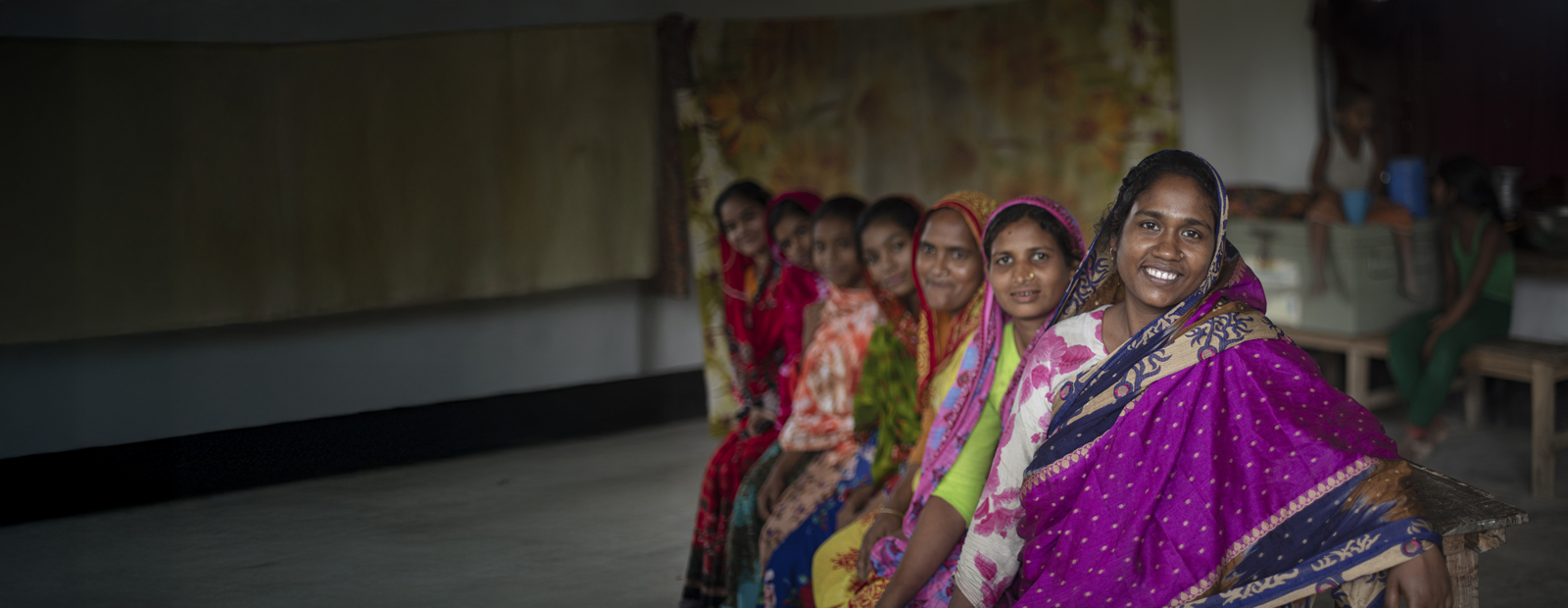
Every year, a period of 16 Days of Activism Against Violence against women runs from 25 November (International Day for the Elimination of Violence against Women) to 10 December (Human Rights Day). Here in Australia, 25 November is also marked as White Ribbon Day, a day to advocate ending men’s violence against women. It’s an opportunity to speak out about harmful practices towards women and girls around the world. One of the most damaging human rights violations affecting girls is child marriage.
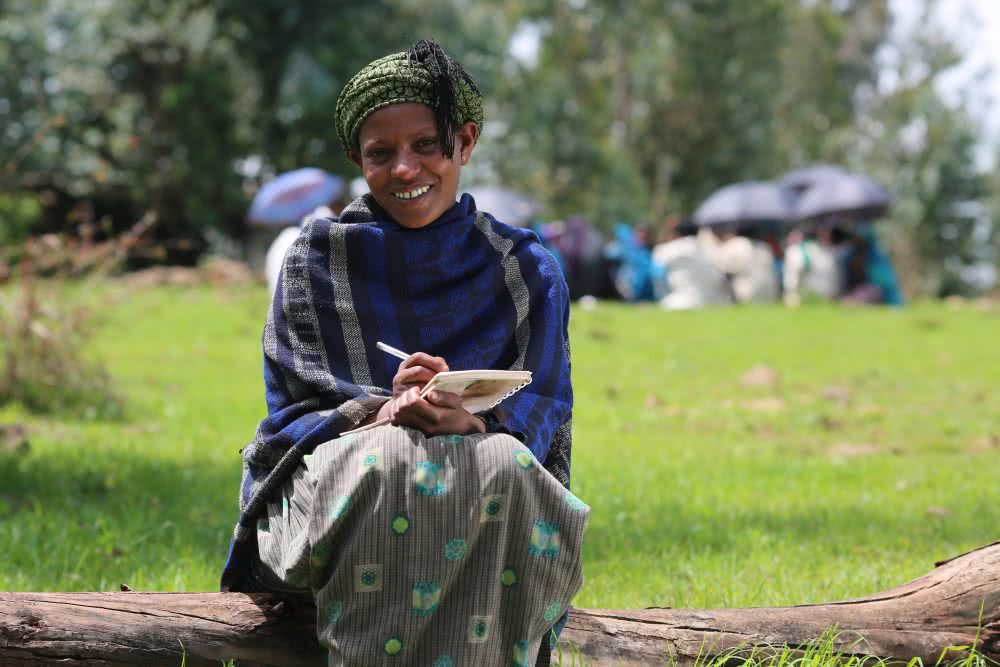
Fikere married her husband, Kasa, when she was just 15 years old.
“Life was miserable. I had to do all the housework like collecting water, preparing food and looking after his parents,” says Fikere. “My high workload meant I was never able to visit my family or go to village ceremonies.”
Fikere’s story is from rural Ethiopia but is echoed around the world. Globally, more than 700 million women are married before their 18th birthday.
Child marriage is one of the biggest challenges to girls’ development. The reasons for the centuries-old practice are complex; rigid cultural norms, lack of education and concerns around girl’s security all play a part. But girls who are married too young face higher risks of physical and sexual violence, of contracting HIV and other diseases, and of dying or facing complications while pregnant or giving birth.
For Fikere’s parents, accepting a marriage proposal seemed like a good way to alleviate their financial stress. They didn’t realise early marriage would thwart her chance at education, endanger her health and cut short her personal development.
Fikere was married before CARE started working in the community to help tackle the harmful practice of child marriage but Fikere and her husband are benefiting from CARE’s work Fikere joined a support group with other married teenagers. They learn about sexual and reproductive health, how to save and invest money and discuss topics such as how to care for a newborn and how to communicate in a relationship.
“Because I married at an early age I stopped going to school. This made me very sad, but through the CARE project I am learning again, and my husband and I have agreed that I will return to school soon. My life was dark before, but now there is light,” says Fikere. “Attending the meetings gave me the confidence and skills to talk to Kasa about what I was learning and how we could earn more money and live a better life.”
Importantly, Kasa also received information to help him understand the harm of early marriage. Fikere explained, “While I was going to the classes, Kasa was attending meetings too. After a few months, I noticed he started listening to me and asking questions, instead of telling me what to do. Then he started helping me with the housework. Now he looks after his parents so I can visit my family, and he has even prepared the coffee ceremony for his friends so that I can practice reading.”
Kasa is proud of Fikere and says their life is much happier since they both started taking part in the CARE project.