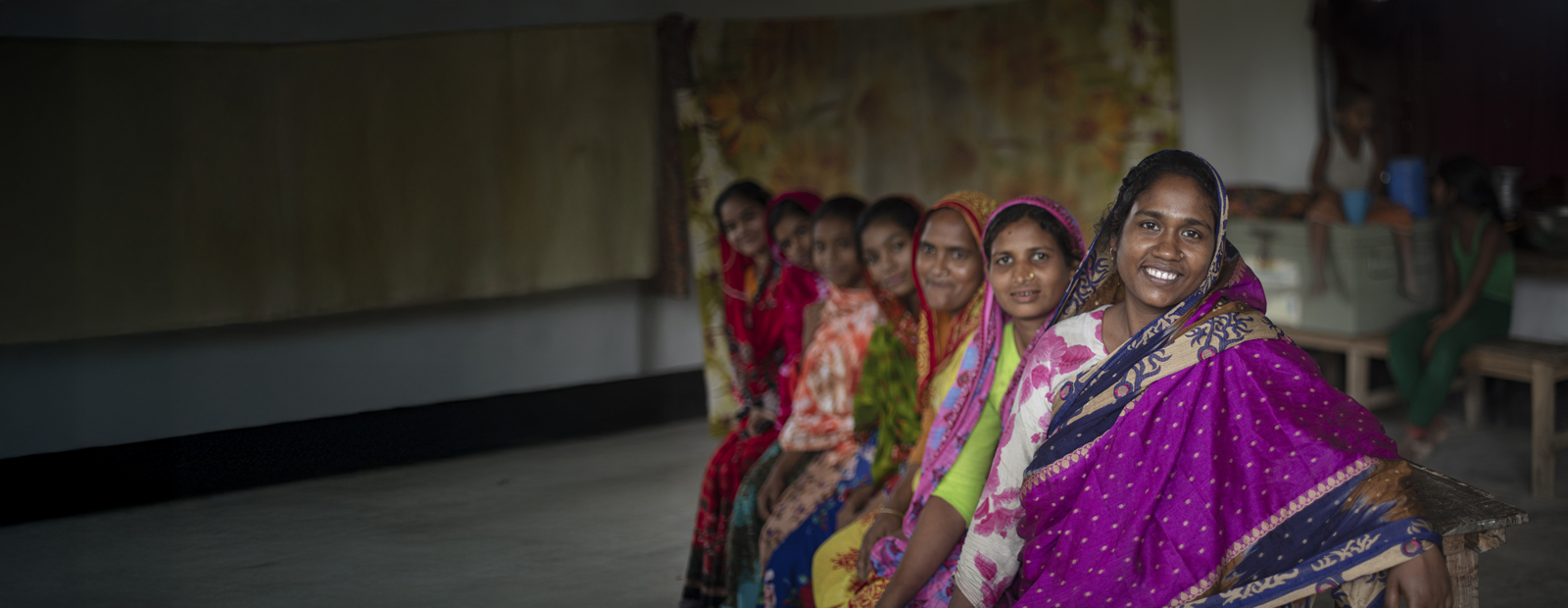
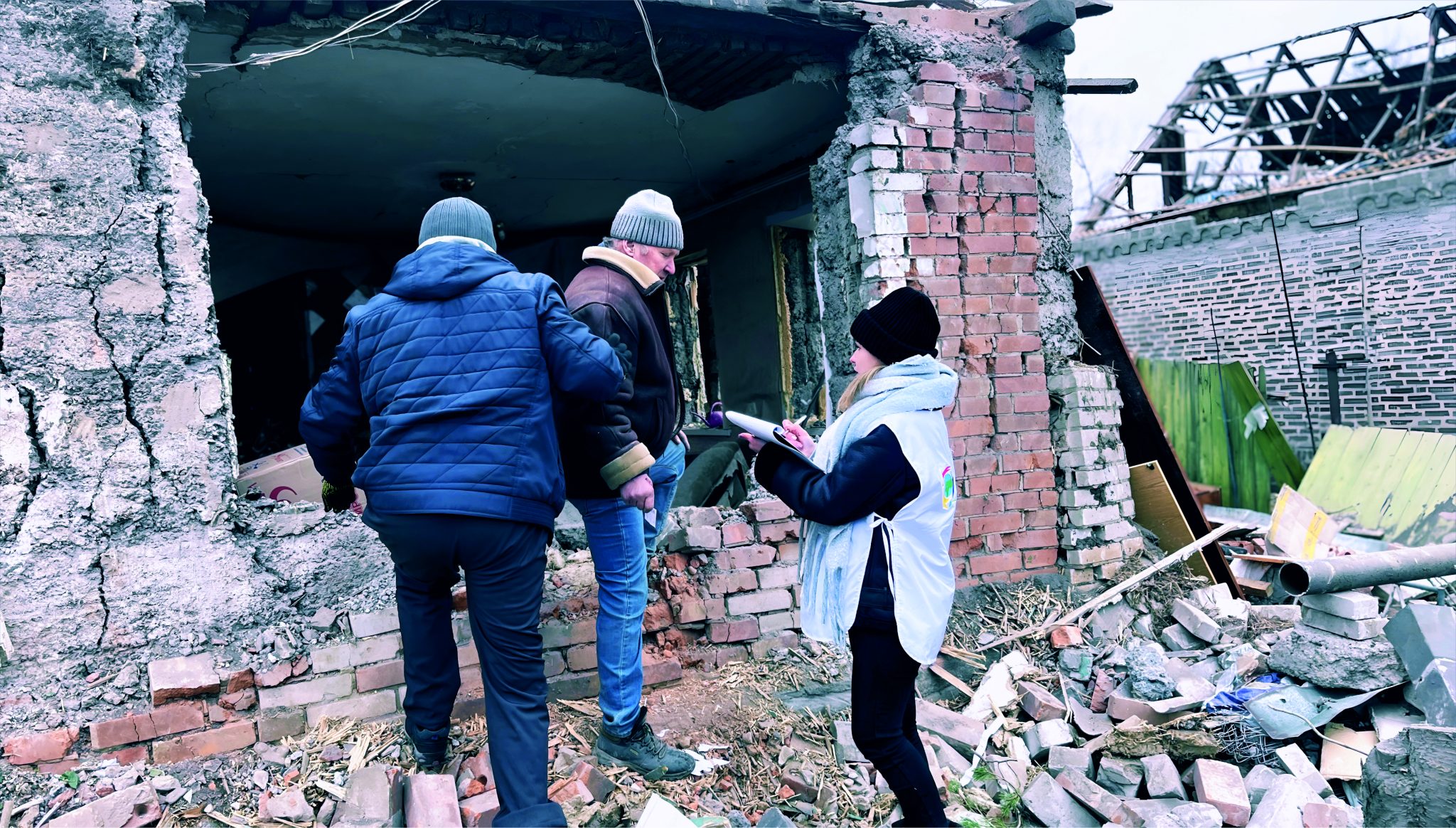
At CARE Australia, we work alongside communities living through conflict to support economic development that’s inclusive, sustainable, and driven by local needs. Our goal across all of our work in economic development is to create economic conditions where people can not only recover, but also thrive over the long term, restoring dignity, stability and choice for populations affected by war and conflicts.
So, how do we actually empower economies in places where conflict has drastically affected day-to-day life?
Table of contents
Understanding conflict economies
a. Why economic recovery matters in conflict zones
- The human and financial cost of conflict
- Economic stability as a pillar of long-term peace
b. How natural resources fuel conflict
- Resource
- Conflict zone
- How it fuels conflict
The informal economy’s significance in conflict zones
a. Strategies for economic empowerment worldwide
- Inclusive economic growth through entrepreneurship and job creation
- Promote sustainable investments
- Support small and medium enterprises
- Foster economic literacy
- Protecting vulnerable communities through social support
- Rebuilding basic services
- Addressing gender inequality
- Implementing social safety nets
- Fostering economic strength through diversification and infrastructure development
- Foster regional cooperation
- Strengthen conflict resolution mechanisms
- Invest in infrastructure
b. Challenges and opportunities for empowering economies in conflict zones
- Addressing the challenges of operating in conflict-affected environments
- Leveraging technology and innovation for economic empowerment
c. How you can help support lasting economic recovery
- Donate to support economic empowerment programs
- Advocate for sustainable aid
- Share these stories and raise awareness
d. Why support matters more than ever
Understanding conflict economies
In regions affected by war, traditional economic systems often break down, and new, informal ones take their place. Means of support are disrupted, access to markets is limited, and economic power can shift into the wrong hands, which in turn inhibits local businesses from operating and leaves families vulnerable and without sources of income.
Before we can support communities to rebuild, we need to understand how conflict reshapes their economies – and what it takes to build something better.
a. Why economic recovery matters in conflict zones
- The human and financial cost of conflict
Our humanitarian workers find that in conflict zones, the economy doesn’t just stall – it’s often redirected toward fuelling the violence. This systemic redistribution of assets is called a ‘war economy’. Any wartime economy can be identified by economic systems that are under greater government control with preferential resource allocation for military entities, however any system where the exploitation of natural resources is used to fund armed groups and/or sustain instability can also be classified as a war economy.
These war economies come at a devastating cost to local communities. Families are forced to flee their homes, human rights abuses become widespread, and once-vibrant livelihoods are destroyed. Instead of driving development these valuable resources become tools of oppression, deepening poverty and prolonging suffering in conflict zones.
For women, the risks are especially severe. Today, one in two maternal deaths happens in countries affected by conflict. With healthcare systems in collapse and access to basic services cut off in wartime economies, giving birth becomes life-threatening. Similarly, wartime economies can limit access to education and employment opportunities for women, which further exacerbates risks of poverty for families in these regions.
- Economic stability as a pillar of long-term peace
The relationship between natural resources and conflict has been widely studied. A theory known as the resource curse (or the paradox of plenty) suggests that countries rich in natural resources are more prone to conflict. When resources are mismanaged or exploited, they can fuel corruption, competition, and violence.
But with the right support and safeguards, economic stability can also provide a path to peace. Empowering communities to manage their own resources, build education and work, and participate in local economies is critical to long-term economic recovery for these regions.
b. How natural resources fuel conflict
| Resource | Conflict zone | How it fuels conflict |
| The role of oil | South Sudan, Syria | Used to fund armed groups and government forces, competition over oil fields intensifies conflict – creating a crisis that demands attention. |
| The diamond trade | Democratic Republic of Congo, Sierra Leone | So-called “conflict diamonds” are mined in war zones and traded to finance rebel movements. |
| Timber and illicit logging | Myanmar, Cambodia | Profits from illegal logging help fund insurgent groups and corrupt officials; forests become flashpoints for violence. |
The Informal economy’s significance in conflict zones
In places affected by conflict, formal employment opportunities often disappear. In their absence, people find other ways to survive, like through street vending, small-scale farming, or local trade. This kind of work, though often unregulated, becomes a lifeline.
Women and girls are at the centre of these efforts. Whether caring for others or, in some cases, making impossible choices that puts them at great personal risk, they help keep their families and communities afloat in the toughest conditions.
a. Strategies for economic empowerment worldwide
To help communities rebuild and thrive in conflict zones, we need to take a whole-of-society approach. This means creating opportunities for everyone to participate in the economy, providing protection and safety for the most vulnerable, so people can face future challenges with strength and hope.
- Inclusive economic growth through entrepreneurship and job creation
Promote sustainable investments
When we encourage projects that create real jobs, generate income for local governments, and restore essential infrastructure like roads, schools, and clinics, we’re helping lay the foundation for long-term growth and stability. These kinds of sustainable investments give people hope and the tools to rebuild their lives, even in places where conflict has made the future uncertain.
To put the disparity in perspective: Aussie mums have access to more than 100 times the amount of clean water as a mother in Gaza. That’s the scale of inequality we’re working to change.
Support small and medium enterprises
In fragile settings, relying on a single industry (like agriculture or mining) can leave entire communities vulnerable to shocks. By helping people develop new skills, enter new markets, and have access to tools like savings groups, we can reduce that risk and build lasting economic determination.
At CARE, we know that small businesses can spark big change. Through our Village Savings and Loan Associations (VSLAs), access to microloans, and tailored business training, we support small and medium enterprises to grow from the ground up.
Foster economic literacy
From budgeting and saving to understanding markets and starting a business, economic literacy is the foundation for self-reliance and stability. When communities have the tools to manage resources fairly, resolve disputes, and collaborate on shared goals, they are more likely to build resilience and less likely to be drawn into conflict.
As global scholars and peacebuilders note, empowering people to engage in the economy strengthens the fabric of society.
- Protecting vulnerable communities through social support
Rebuilding basic services
Through times of crisis, it’s the most vulnerable (children, women, people living with disabilities, and those displaced by conflict) who are hit hardest. We’ve seen how quickly families lose access to the essentials: food, clean water, healthcare, and education.
That’s why it’s so important to deliver support that meets people where they are – whether that’s through cash assistance to help buy what’s needed most, or by rebuilding the basic health services that communities rely on to survive.
Addressing gender inequality
Conflict can strip away communities, increase unpaid care work, and limit access to education and healthcare, deepening the divide. Women and girls bear the brunt of conflict, often carrying the weight of care and recovery on their shoulders. This can be observed across all the conflict areas worldwide today, from Gaza, to the ongoing circumstances in Sudan.
But when women have access to financial tools, safe healthcare, and the chance to learn and lead, whole communities benefit. Supporting women’s economic empowerment isn’t just fair – it’s also smart, as women and girls that are empowered take on the call to build up those around them. When we support women, we can help entire families get back on their feet faster and make recovery efforts stronger and more sustainable.
Implementing social safety nets
For the most vulnerable, the first days and weeks of war are critical. That’s why support like cash transfers, food assistance, and emergency supplies is so vital. This kind of help doesn’t just meet immediate needs. It gives families the grace to make their own choices and the breathing space to begin rebuilding their lives.
- Fostering economic strength through diversification and infrastructure development
Foster regional cooperation
Regional cooperation can turn fragile recovery into lasting peace. When borders close and movement is restricted, as we’ve seen with the blockade on Gaza, the consequences are devastating. By encouraging regional trade and integration, we can help communities access broader markets, rebuild critical supply chains, and reduce the risk of future conflict.
Strengthen conflict resolution mechanisms
Welcoming ceasefire agreements is a vital first step, but what happens next matters just as much. Peace begins when communities are supported to lead it themselves. By investing in local conflict resolution and peacebuilding efforts, we help people come together, listen to one another, and find common ground.
Invest in infrastructure
Rebuilding infrastructure isn’t just about bricks and roads – it’s about reconnecting people to opportunity, safety, and each other.
When markets are reachable, schools are open, and clinics have running water, families can begin to recover and look ahead. Repaired roads mean farmers can sell their produce. A restored power line means children can study at night. These are the building blocks of a functioning economy and an equitable life.
b. Challenges and opportunities for empowering economies in conflict zones
- Addressing the challenges of operating in conflict-affected environments
Operating in conflict-affected areas demands flexibility, empathy, and the courage to respond even when the data isn’t perfect. As our food insecurity report response in Gaza makes clear, when survival is an hourly battle, waiting for definitions or thresholds is a failure of humanity.
That’s why we design our programs to adapt, with risk assessments that help us prepare for what’s ahead, and partnerships with local organisations who understand the nuance and urgency of their communities.
Because in places where collecting data can be life-threatening, our work remains on what matters most: reaching the people who need us, when they need us.
- Leveraging technology and innovation for economic empowerment
Technology can be a powerful tool for stabilisation. From mobile banking to online marketplaces, digital solutions open new pathways for people to earn an income, access services, and rebuild even when traditional systems have broken down.
Women are often first responders and leaders in recovery during conflict, stepping up to support families, neighbours, and entire communities. When women gain access to digital tools and training (whether it’s learning to manage money through mobile services or reaching customers through e-commerce platforms), the ripple effect is enormous.
c. How you can help support lasting economic recovery
- Donate to support economic empowerment programs
Lasting economic recovery isn’t something any one organisation can achieve alone. In fact, it takes coordination, collaboration, and community. Governments, local leaders, NGOs and international organisations all have a role to play. When we work together and share resources, knowledge, and expertise, we can avoid duplication.
Your donation helps make that coordination possible. It allows us to partner more effectively, reach further, and respond faster. As Faialofa recently told us, “It really helps us survive.”
- Advocate for sustainable aid
In moments of crisis, the world often rallies but rehabilitation needs more than a surge of support. That means funding programs that don’t just respond to emergencies, but help people rebuild, adapt, and thrive over time.
When global attention shifts, people are left asking, “What about Somalia?” or South Sudan, or Yemen, these all being places where conflict hasn’t stopped, but the headlines have. Advocacy matters because it keeps the pressure on. It reminds leaders that all lives are equally valuable and that sustainable aid is a lifeline, not a luxury.
- Share these stories and raise awareness
Your voice can help ensure communities aren’t forgotten. Call for long-term funding. Share stories. Ask the hard questions. Because peace depends on more than good intentions – it depends on commitment.
d. Why support matters more than ever
As the occupation of Gaza persists, the people of Sudan continue to face persecution, and we add more and more years into the war in Ukraine, the need for help on the frontline remains urgent. Conflict continues to uproot families, destroy livelihoods, and shatter communities. Help on the frontline saves lives and provides critical support where it’s needed most, giving people a chance to rebuild with dignity and hope.
By choosing to donate to CARE Australia, you join a global effort to stand with those caught in conflict, delivering life-saving assistance and empowering communities to recover stronger than before. Now more than ever, your generosity fuels resilience and restores futures.
Together, we can make lasting change. Please donate to CARE today.