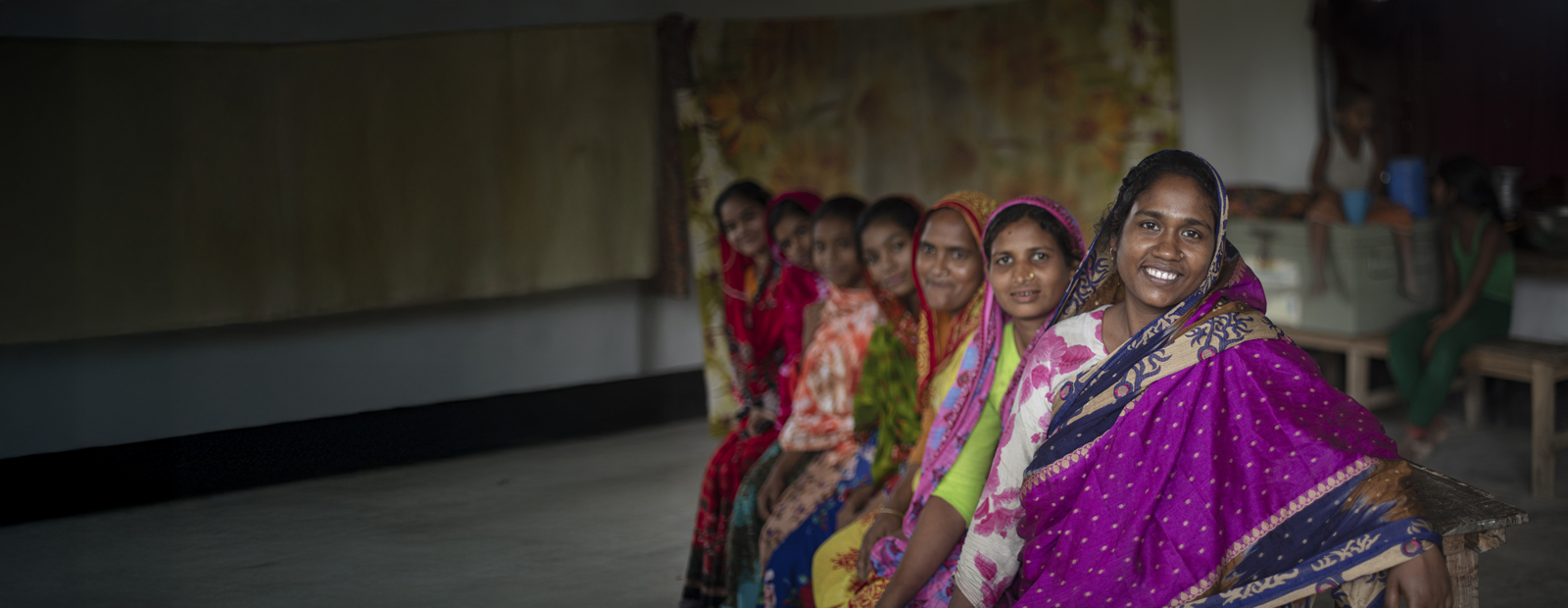
Safe pregnancies and childbirth should be accessible to every woman, everywhere. However, in many countries, pregnant women and new mothers face serious challenges to accessing maternal healthcare. In Papua New Guinea (PNG), many women and babies die every year during pregnancy or childbirth. According to UN data, it is estimated that 40% of women in the country do not give birth in a health centre or hospital, putting them at greater risk of complications.
Sonia Gawi is the Health Project Manager at CARE PNG. With extensive experience supporting maternal health delivery in her country, Sonia tells us about her background, the realities mothers face in PNG and how CARE and its partners are working to address them.
Meet Sonia
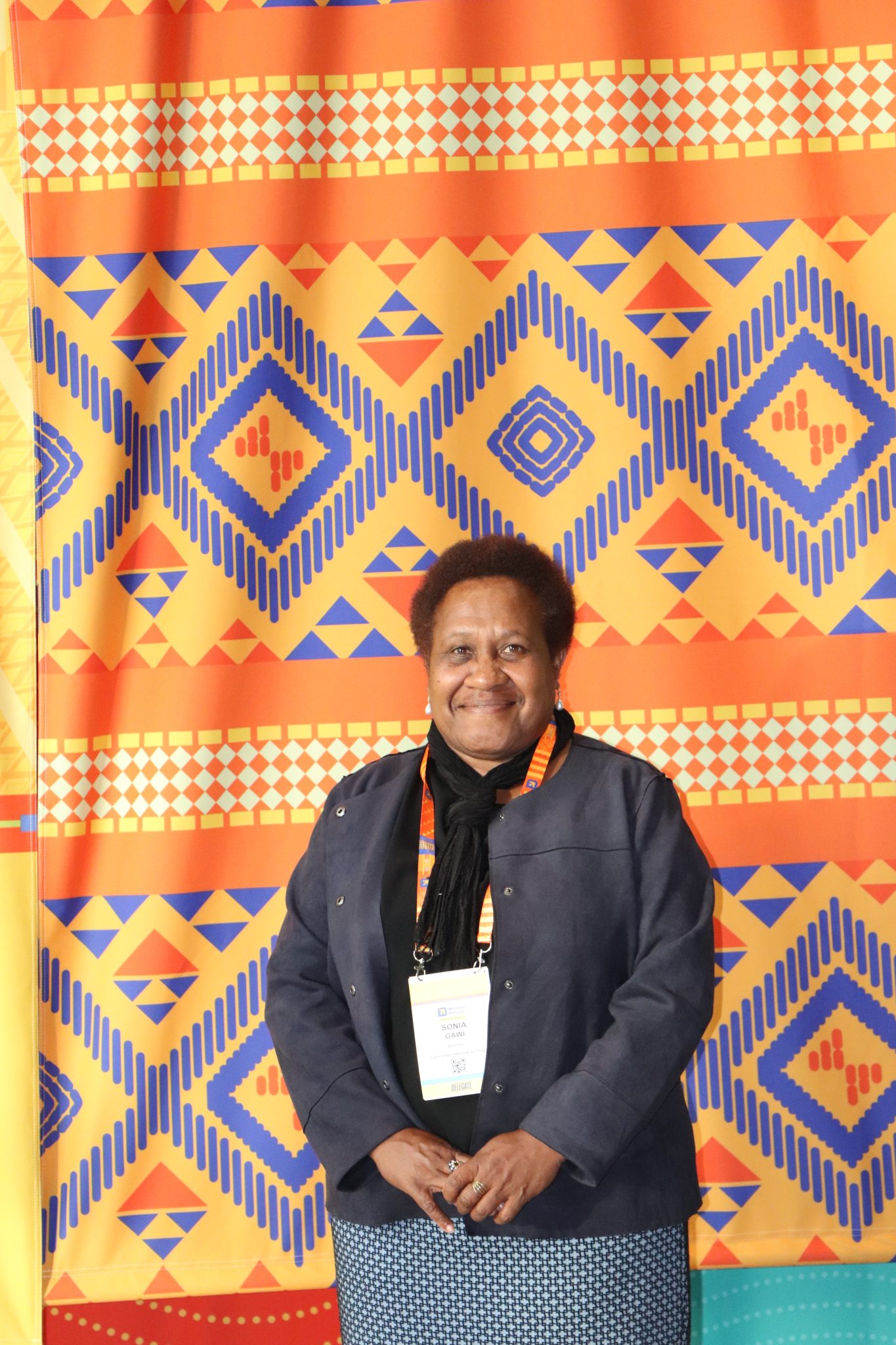
Sonia began her journey with CARE in 2018. A Papua New Guinean with nearly 20 years of experience in the development sector, she and her team work closely with remote communities to promote safe motherhood and improve neonatal care.
The work I do is the direct realisation of my mission to serve my people, ensuring that the most isolated mothers and newborns in the Eastern Highlands and across PNG receive the safe, respectful care they deserve.
Maternal health challenges in PNG
Sonia works in close contact with local health workers who tell her they are witnessing a maternal and neonatal crisis in the country. Expectant and new mothers face numerous barriers to accessing maternal healthcare, many of which pose serious risks to both mothers and babies.
Geographical isolation is a significant challenge in many rural areas of PNG. In provinces such as the Eastern Highlands, the rugged mountainous terrains leave many villages cut off from the road network. This poses critical risks to pregnant women.
“In the remote communities of the Eastern Highlands and other PNG provinces, pregnant women as young as 14 or 15 years old often have to walk for hours — or even days — while in labour just to reach the nearest health facility,” says Sonia.
When labour begins, they face a mountainous terrain with no roads, walking through dense bush and across rivers just to reach a basic health post.
This journey can be extremely hard, lonely and dangerous. With few alternatives available, many expectant mothers are forced to take the risk of giving birth at home, often without access to skilled support. “If a complication like postpartum haemorrhaging occurs, women are left stranded due to the lack of reliable rural transport or ambulance services,” says Sonia.
Pregnant women in PNG’s rural areas also face barriers due to fragile health infrastructure, with facilities operating under very limited resources. “Mothers frequently arrive at health centres only to find a critical shortage of trained midwives, no clean running water, power outages, or a complete depletion of essential medical supplies and clean delivery kits. There is also a lack of emergency obstetric care, which forces over half of rural mothers to risk unsupervised home deliveries,” explains Sonia.
For these women, bringing new life into the world is a terrifying, life-or-death gamble.
In the household, expectant mothers often encounter extra challenges, with gender norms and cultural dynamics leaving them without much power to make decisions on their own reproductive health. Furthermore, many pregnant women are expected to continue working through strenuous physical labour right up until delivery in activities such as farming and carrying heavy loads. “This leads to high rates of maternal exhaustion, anaemia and premature births,” says Sonia.
Bringing safety to mothers
To address these barriers, Sonia and her team at CARE PNG are working to implement tangible solutions that help women access safer care.
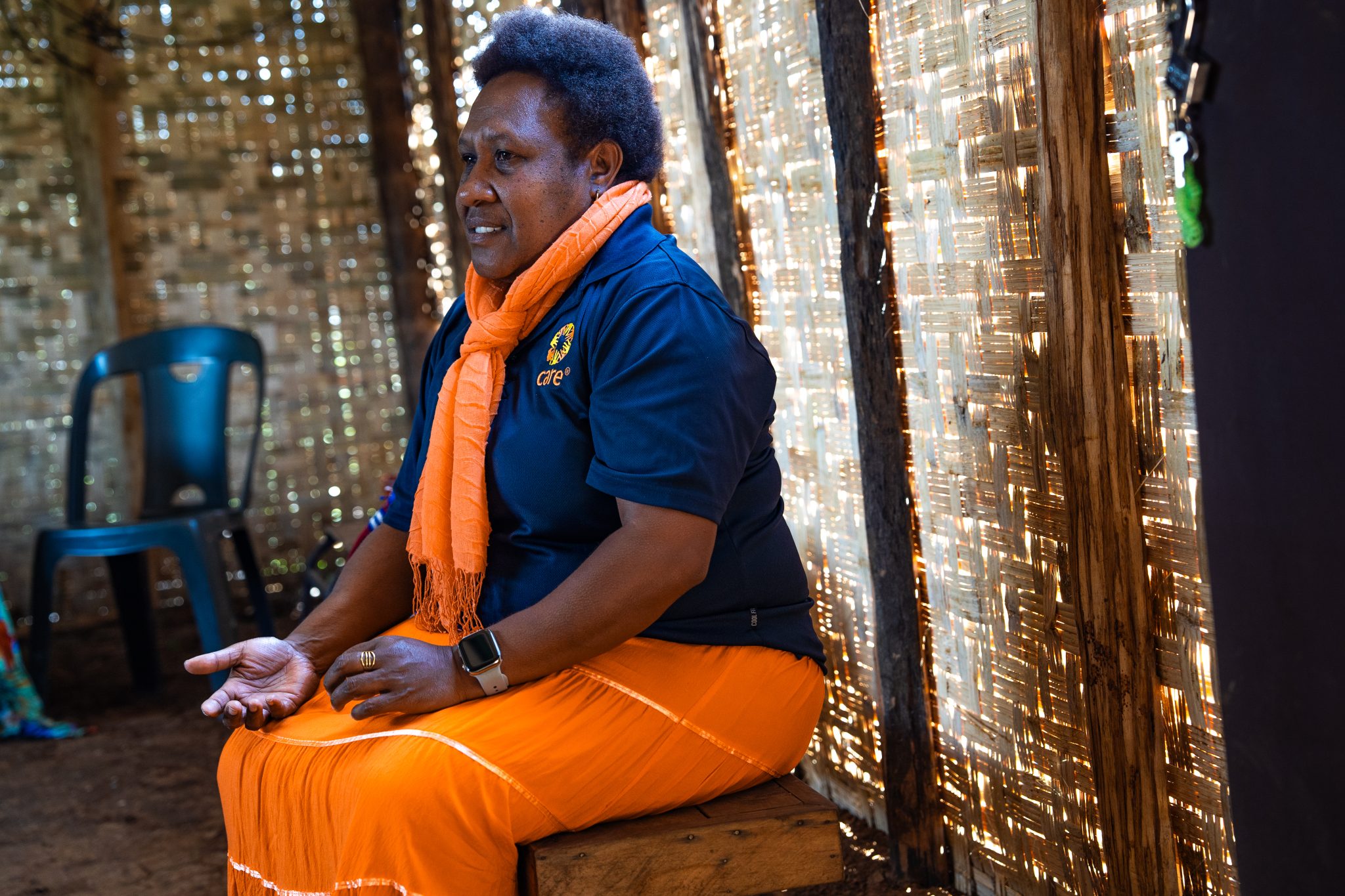
CARE PNG’s maternal health programs focus on bringing safety directly to women’s doorsteps. Alongside the National Health Department, Sonia and her team are training Village Birth Attendants and Village Health Volunteers to deliver life-saving maternal and reproductive health education in remote areas. “We train local volunteers to recognise early pregnancy danger signs right in the village,” explains Sonia. She is proud of this collaboration. “We are building a reliable bridge between these isolated mothers and government health services.”
CARE PNG also works closely with community leaders to support improvements to health infrastructure, prioritising the construction of maternal health waiting houses.
We lead community support by mobilising local leaders to help build maternal health waiting houses, providing a safe place for pregnant women to stay close to the health facility until childbirth.
With cultural and gender norms often limiting access to maternal healthcare, Sonia and her team work closely with male community members to challenge these.
By engaging husbands and male community leaders, we actively promote the sharing of household chores to relieve pregnant women and foster joint decision-making regarding family planning.
Sonia explains, “The aim is for them to support their wives during this crucial moment of bringing new life from accompanying them to the waiting house and ensuring a safe delivery, to jointly discussing family planning and childhood immunisation options with the health worker, before safely returning home together as a supportive family.”
Witnessing real impact
Creating lasting change is what ultimately motivates Sonia. “Over the years, I have realised that what truly motivates me is the opportunity to make tangible, lasting impact on people’s lives.”
For her, working closely with local authorities, organisations and communities is what leads to transformation.
My time in the sector has shown me that true development happens from the ground up, and I am motivated daily by the chance to turn national development goals into community level realities.
These localised interventions are already showing tangible impact. “I watched our trained Village Health Volunteers step up lifesaving lifelines, actively tracking danger signs and managing safe referral and transport of pregnant women to rural health posts.”
In the Menyamya District in Morobe Province, one of the most remote places in PNG, communities alongside local-level governments worked together to build a dedicated maternal waiting house. “With that physical structure, we also witnessed a profound cultural shift,” says Sonia.
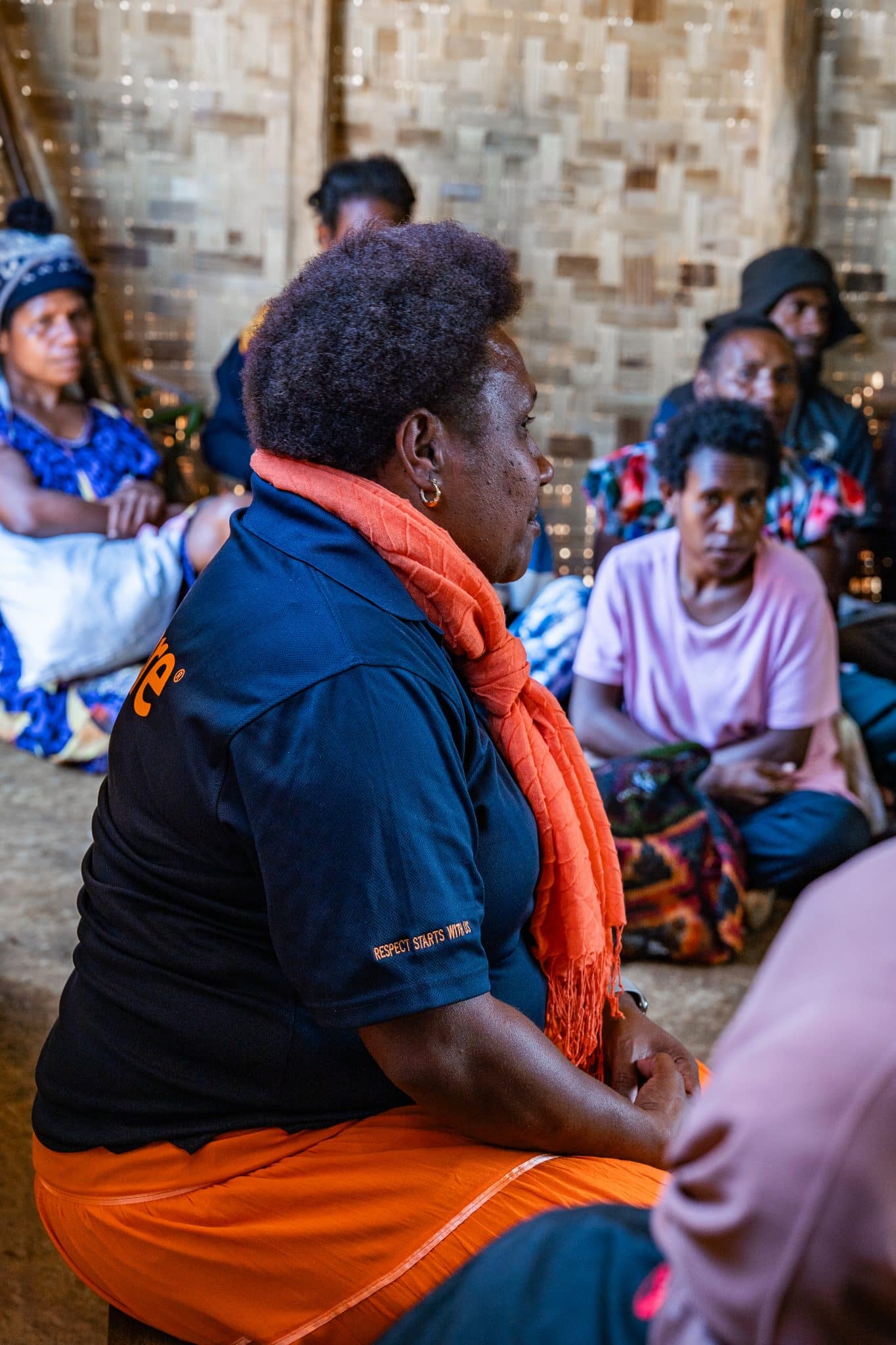
At the family level, Sonia has observed male community members successfully challenging and transforming cultural barriers, supporting their wives during childbirth.
I’ve watched husbands break traditional barriers to proudly accompany their wives to the waiting house, staying by their side for a safe, supervised delivery.
Reflecting on her time as a Health Project Manager at CARE PNG, Sonia has witnessed great impact in family units and households where all these interventions meet. “Seeing a mother protected by dedicated Village Health Volunteers, a father deeply involved, and a community united to support them is the ultimate reward. It proved to me that when we combine local resources with compassionate advocacy, we do more than save lives. We reshape the social fabric of Papua New Guinea for generations to come,” says Sonia.
Hopes for maternal healthcare in PNG
For Sonia, the work CARE does in PNG wouldn’t be possible without truly engaged partners, volunteers and community members.
“I am deeply inspired by the resilient remote communities I serve and the enduring dedication of our Village Health Volunteers who bridge the gap from isolation to care,” says Sonia. “Knowing that volunteers trained 15 years ago in 2011 still drop by my office today to share their ongoing commitment proves that our work creates permanent, life-saving transformation across Papua New Guinea.”
Sonia has high hopes for the future of maternal healthcare in PNG.
My hope is to see community-owned maternal houses built across every village in PNG, from our most remote highlands to our furthest coastal islands.
Ensuring maternal waiting houses are accessible everywhere in PNG would help transform fragile and under-resourced rural health posts into well-funded, 24/7 centres equipped with consistent medical supplies, essential vaccines, clean water, proper off-grid lighting and well-supported, trained, midwives. “Making accessible maternal houses a reality will ensure that maternal health is no longer an afterthought, but a top priority for every single family and household in our nation.”
At the community level, Sonia would like to see a shift in cultural norms as a result of the work she and her team are leading at CARE PNG.
I hope to see a generation where male engagement is standard, where every husband proudly shares the domestic workload and stands alongside his wife in joint family planning and safe delivery decisions. We can teach our sons and daughters now to see the change tomorrow.
Looking ahead, Sonia hopes to continue strong partnerships between NGOs, local-level Governments and Provincial Health Authorities to build a resilient self-care system that protects every mother and newborn across the country.
My hope for the future of maternal healthcare in Papua New Guinea is to see a nation where no mother has to risk her life to give life, regardless of how remote her village is.
Your support could be the difference between life and death for pregnant women. Please give now.