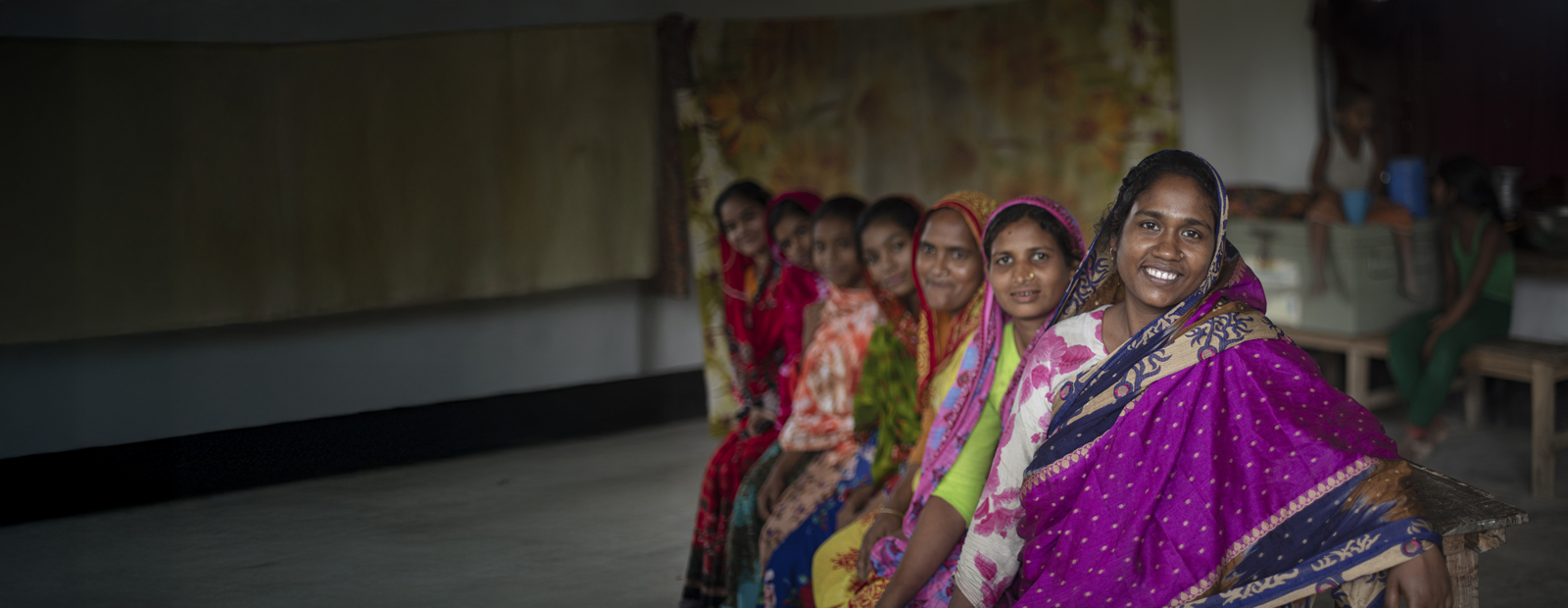
As an unprecedented El Niño develops in the Pacific Ocean, millions of people across Africa, Asia, Latin America and Middle East face worsening hunger, disease outbreaks and forced displacement, with women and girls bearing the heaviest burden.
There are already 172.3 million[1] women and girls at risk of food insecurity in the countries expected to be worst affected by El Niño, a phenomenon that disrupts weather patterns around the world and that is being made more frequent and intense by climate change.
A strong El Niño will bring drought to some regions and devastating floods to others, increasing the risk of food insecurity, malnutrition and disease. In almost all of the most at-risk countries (20 out of 22[1]), more women and girls are going hungry than men.
“With climate-related risks increasing, this is a pivotal moment to invest in women and girls as leaders of adaptation and resilience. The opportunity to reduce future hunger and displacement depends on acting well before a crisis deepens, not waiting until after it has already taken hold,” said Marlene Achoki, Global Climate Justice Policy and Advocacy Lead.
In 2015–2016, the strongest El Niño event in recent history affected an estimated 60 million people worldwide. The world today faces significantly higher levels of food insecurity and displacement than it did a decade ago, compounded by conflicts, epidemics and a lack of affordable or available fertiliser. El Niño is a risk multiplier for many women and girls already facing acute humanitarian needs with extreme weather conditions and food security impacts forecasted to persist into 2027.
Treating child malnutrition has become substantially more expensive and challenging due to increased costs, supply chain disruption and aid cuts. The average cost of supplies to treat just one child with malnutrition in countries affected by El Niño has increased by USD$ 40[2] since the Strait of Hormuz was first closed. This means it would now cost an additional USD$ 275[2] million dollars to treat the nearly 7 million children currently experiencing malnutrition even before the impacts of El Niño are felt.
“Women and girls across the Philippines are already living through a seemingly never-ending cycle of disasters. Several of the provinces now facing drought declared a state of calamity under the last El Niño in 2024 and many have still not recovered. This shock is landing on those with the least capacity left to absorb it. Forecasters expect the drought to give way to fewer but far stronger typhoons within months, meaning rural households already stretched by rising rice and fuel prices are being forced to survive two disasters back-to-back,” said Reiza Dejito, CARE Philippines Country Director.
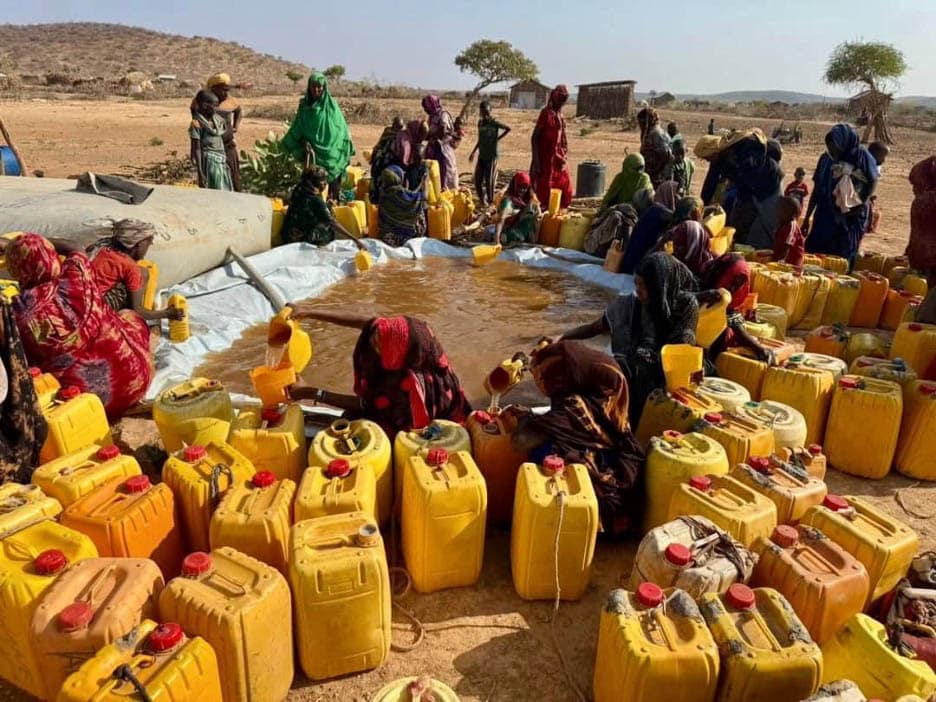
“Nearly one in three people in Somalia does not have enough food to eat, and this hunger is only set to spread. In the past few years people in Somalia have been repeatedly brought back from the brink of famine by sudden, last-minute surges in funding, but there has never been enough support for a truly anticipatory response, and today funding to stop widespread preventable death is totally insufficient,” said Ummy Dubow, CARE Somalia Country Director. “Drought followed by flooding linked to El Niño will deepen inequalities, increase barriers to food, income and education, and increase the risk of gender-based violence and child marriage. We need to act now, before it is too late,” Dubow added.
CARE is calling for an urgent, coordinated, global response to prevent a humanitarian catastrophe. Increased investment in anticipatory action, preparedness and response is urgently needed, particularly in countries identified as being at high risk of El Niño-related impacts. Acting before crises take hold has consistently proven to save lives, protect livelihoods and reduce the overall cost of humanitarian response.
Alongside expert local and national organisations, CARE is strengthening preparedness for the worst impacts of this global crisis. Working closely with women-led organisations embedded in the hardest-hit communities, CARE is supporting leadership training for women, capturing their critical skills and building their confidence to prepare their communities for the onset of a disaster. Designed and led by these women, these localised early action plans and trigger systems will be more responsive to the needs and priorities of women and girls when crisis hits.
“Investing in anticipatory action and harnessing women’s expertise to build locally led preparedness is far more effective than waiting for a crisis to unfold. What is needed now is the political will and financial commitment to act before lives and livelihoods are pushed to breaking point,” added Thuy-Binh Nguyen, Climate Justice Programme Quality Lead.
[1] 26 El Niño affected countries drawn from WMO June 2026 El Niño forecast. Food insecurity figures taken from FAO Food Insecurity Experience Scale (FIES) from FAOSTAT, 3-year rolling averages 2022–2024. Four countries without FIES data (Mozambique, Nicaragua, Bolivia, India) were excluded from headline totals.
[2] 19 El Niño-affected countries. Caseloads from WHO/UNICEF JME 2017, UNICEF SitReps, and FSNAU. Unit costs: SAM $196/child (WHO median), MAM $165/child (Emily Janoch spec). Commodity prices from UNICEF Supply Division, June 2026. Three Hormuz shock scenarios: low (10%), base (25%/15%), high (50%/30%). Incremental cost = shocked spend minus baseline.
ENDS
For media enquiries contact Julia Dotras on 0494 396 407
About CARE Australia
CARE Australia supports women around the globe to save lives, defeat poverty and achieve social justice. We work in partnership with local communities to provide equal opportunities for women that they have long been denied: the ability to earn an income, gain access to their fair share of resources, to lead and participate in decisions that affect their lives, and to be able to withstand the increasing impacts of climate disasters and other crises. www.care.org.au