Statement by Valerio Granello, CARE Cuba Country Representative
“Six months into Cuba’s fuel crisis, the humanitarian impacts continue to deepen as fuel shortages collide with other grave challenges. Families across the country are struggling to meet even their most basic needs.
When Hurricane Melissa struck eastern Cuba last October, it damaged health facilities, schools and crops, reducing access to basic services and food. The fuel crisis has exacerbated and extended those challenges to all of Cuba’s 9.4 million people.
Six nationwide power outages since January and severe daily electricity shortages have disrupted services in hospitals and clinics, while limited fuel for transport means many people struggle to reach the life-saving care that remains available. Fuel shortages have further limited families’ access to food and water as well. Fuel is what powers farming equipment and the pumps that deliver water to 84% of the population.
Now, a prolonged drought is reducing the country’s water reserves, which could further destabilise access to water for drinking, cleaning, cooking, and growing food.
Decades of economic hardship in Cuba have undermined local production and livelihoods. The fuel crisis is leading to the closure of key businesses, especially in the tourism sector, leaving thousands unemployed. For the many Cuban families that were already struggling, household necessities are now often out of reach as prices continue to rise sharply.
These hardships were compounded when, in the wake of new US sanctions in May, major shipping lines halted deliveries to Cuba, which imports almost 80% of its goods. Thousands of containers, including shipments of life-saving medicine, food, and humanitarian aid, remain stranded in neighbouring ports.
Each new challenge in Cuba has emerged before communities have had the opportunity to recover from the last. Across the country, we are seeing the consequences.
In Havana, we see people searching through piles of fly-laden garbage for food. In rural communities, people are digging holes up to five meters deep with pickaxes, shovels, and buckets to find water. These are not isolated circumstances. They reflect the crushing pressure many families are under simply to meet the most basic of human needs.
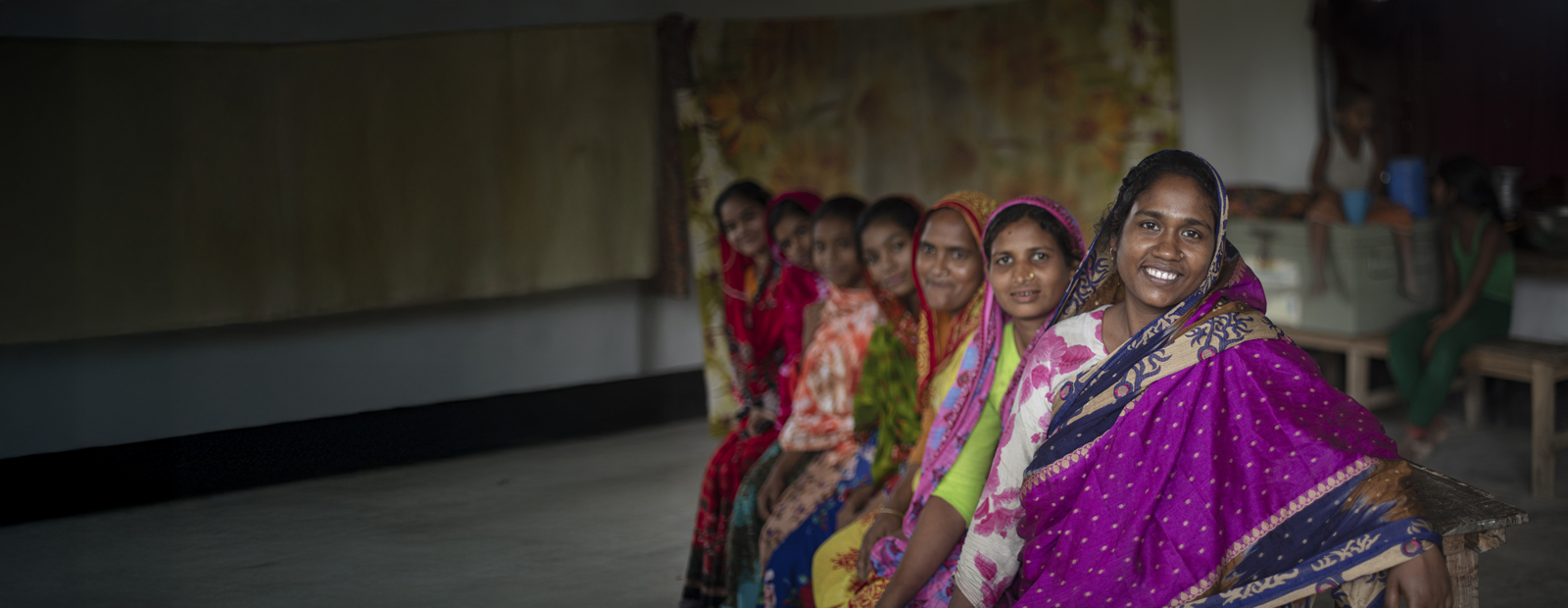
Women and girls disproportionately shoulder the burden of these pressures. When food is scarce, they often eat last and least. When healthcare is reduced, pregnancy and childbirth become increasingly dangerous. When schools and services are disrupted, they take on even more responsibility for caring for children and sick and elderly relatives.
The women and men of Cuba have shown extraordinary resilience. But resilience should never be mistaken for recovery. Communities are adapting because they have no other choice, not because their needs have diminished.
And that resilience may soon be tested once again.
Cuba has entered hurricane season, with September and October ushering in the greatest risk. While forecasts suggest a less active season, even one storm could have devastating consequences for communities already struggling amidst relentless, compounding pressures.”
ENDS
For media enquiries contact Julia Dotras on 0494 396 407
Editor’s Notes
Fuel Crisis – Key Dates:
- Thursday, January 29, 2026 – U.S. Executive Order 14380 establishes a framework to impose secondary tariffs and trade restrictions on countries that supply oil or fuel to Cuba.
- Friday, February 6, 2026 – Cuban government announces nationwide emergency energy-saving measures.
- Monday, February 9, 2026 – Majority of Cuba’s emergency energy-saving measures come into effect.
- Friday, May 1, 2026 – U.S. Executive Order 14404 establishes a framework to sanction non-U.S. shipowners, charterers, and maritime service providers dealing with designated Cuban sectors. Days later, major international shipping lines suspend all cargo deliveries to and from Cuba.
About CARE International in Cuba
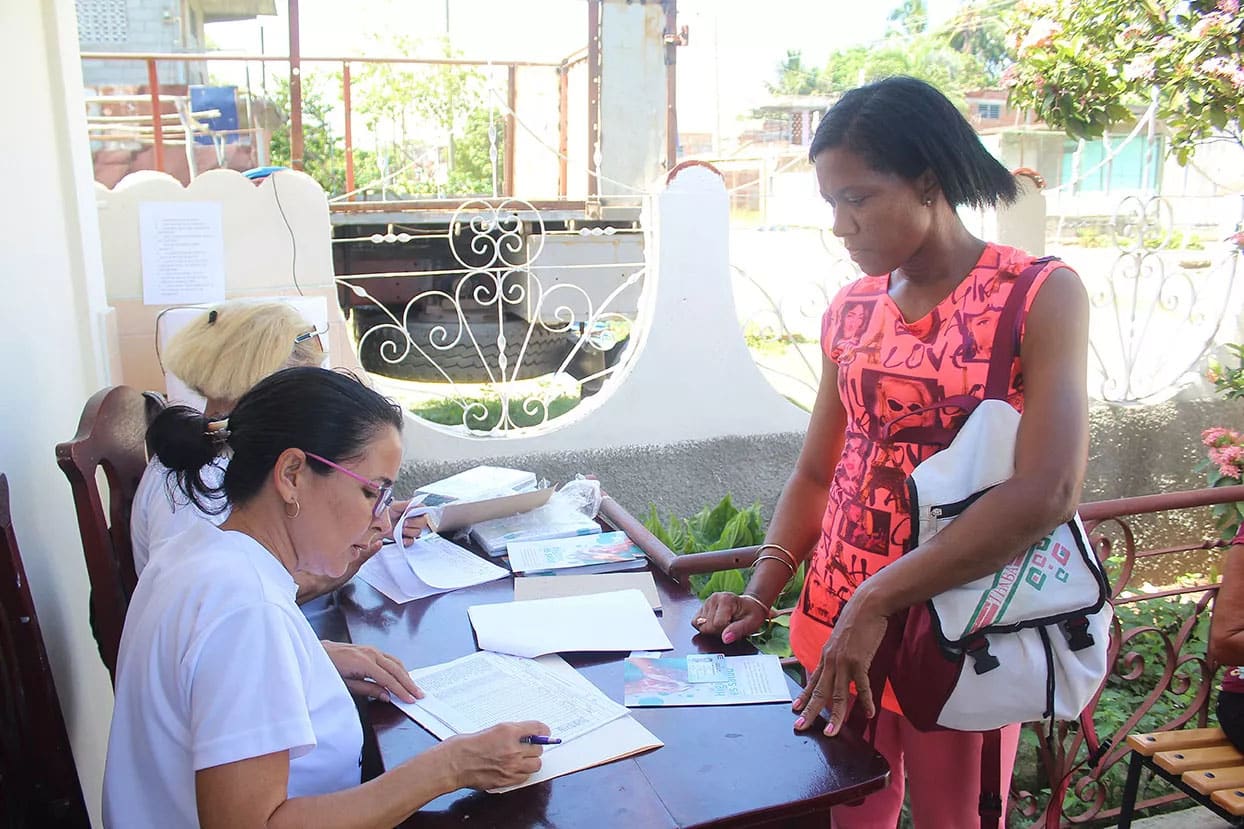
CARE has been operating in Cuba since in 1995. Together with our local partners we are adapting our work to the current realities, supporting communities as they respond to immediate needs while strengthening their resilience to future shocks. Current activities include:
- improving food production through initiatives such as solar-powered irrigation,
- improving access to water by installing solar-powered water systems,
- distributing essential supplies, including water filters and roofing materials, to families still recovering from Hurricane Melissa,
- providing essential medicine and equipment, including for family planning and menstrual management, to improve sexual and reproductive health rights, and
- adapting community emergency preparedness plans for hurricane season to reflect the additional challenges posed by the ongoing fuel crisis.
About CARE Australia
CARE Australia supports women around the globe to save lives, defeat poverty and achieve social justice. We work in partnership with local communities to provide equal opportunities for women that they have long been denied: the ability to earn an income, gain access to their fair share of resources, to lead and participate in decisions that affect their lives, and to be able to withstand the increasing impacts of climate disasters and other crises. www.care.org.au