El Niño is a naturally occurring climate pattern that can disrupt weather systems around the world with devastating effect, increasing the risk of droughts, flooding and food insecurity. Its impacts are often most severe for communities already facing poverty, conflict or climate vulnerability, especially women and girls.
How does El Niño work?
El Niño is part of a complex natural climate cycle that affects ocean temperatures and disrupts global weather patterns.
An El Niño is declared when sea surface temperatures in parts of the Pacific rise 0.5 °C above the long-term average. During an El Niño, the winds that typically blow east-to-west weaken or reverse, and warmer surface water spreads across the central and eastern tropical Pacific.
This increases the likelihood of extreme weather events such as droughts, floods and heatwaves. Some countries may experience much wetter conditions than usual, while others face unusually dry weather.
What impacts can El Niño cause around the world?
El Niño can have devastating effects for communities, economies and ecosystems across the globe. Common impacts linked to El Niño include:
- Drought: In some regions, El Niño can reduce rainfall and contribute to prolonged drought conditions. For example, the 2023/2024 El Niño led to widespread crop failures, livestock deaths and water shortages across Southern Africa.
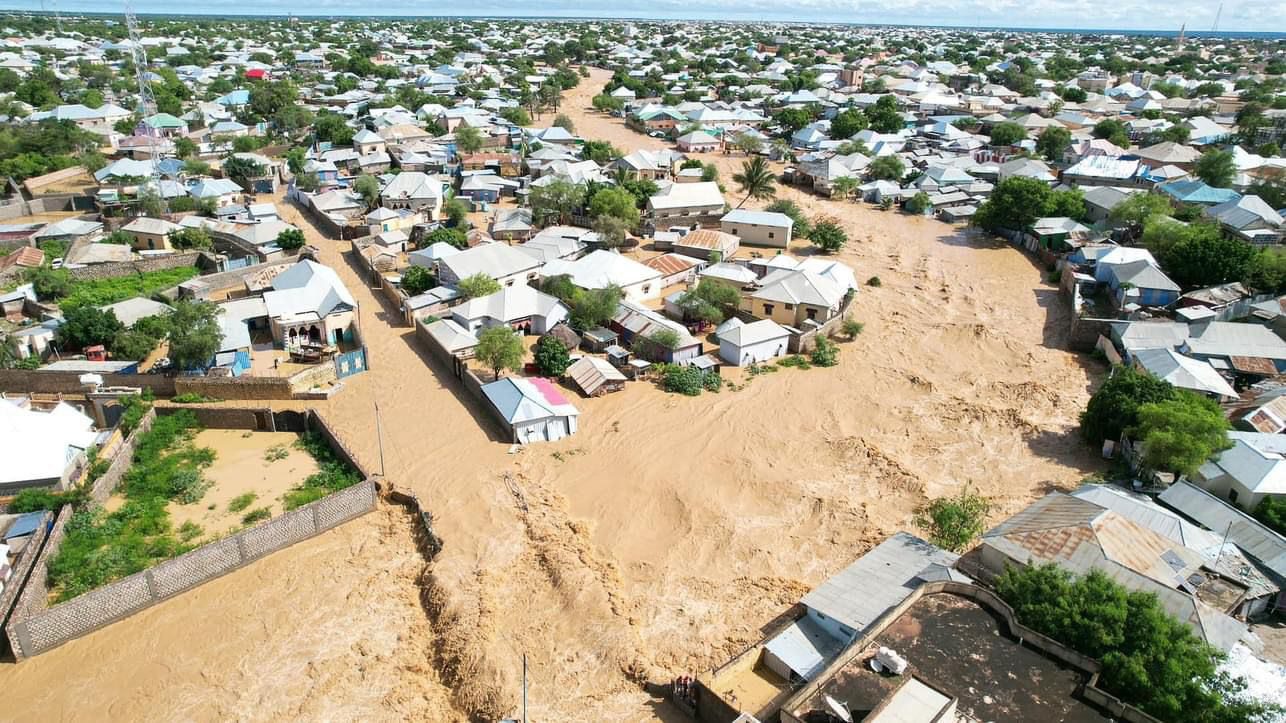
- Flooding: Other regions may experience heavier rainfall and increased flooding, damaging homes, infrastructure and farmland. Intense rainfall fuelled by El Niño lead to extensive flooding throughout the Horn of Africa in November 2023 – bringing death, destruction and displacement in its wake.
- Food insecurity: Extreme weather can disrupt farming, reduce harvests and increase food prices, making it harder for families to afford enough nutritious food. As many as 645 million people worldwide were facing hunger in 2025. El Niño could push millions more to the brink of starvation.
- Health risks: Flooding, heatwaves and water shortages can increase the spread of disease and put additional pressure on healthcare systems.
- Displacement and economic loss: Climate shocks linked to El Niño can force people from their homes, interrupt education and livelihoods, and deepen existing poverty and inequality.
Why does El Niño hit vulnerable communities hardest?
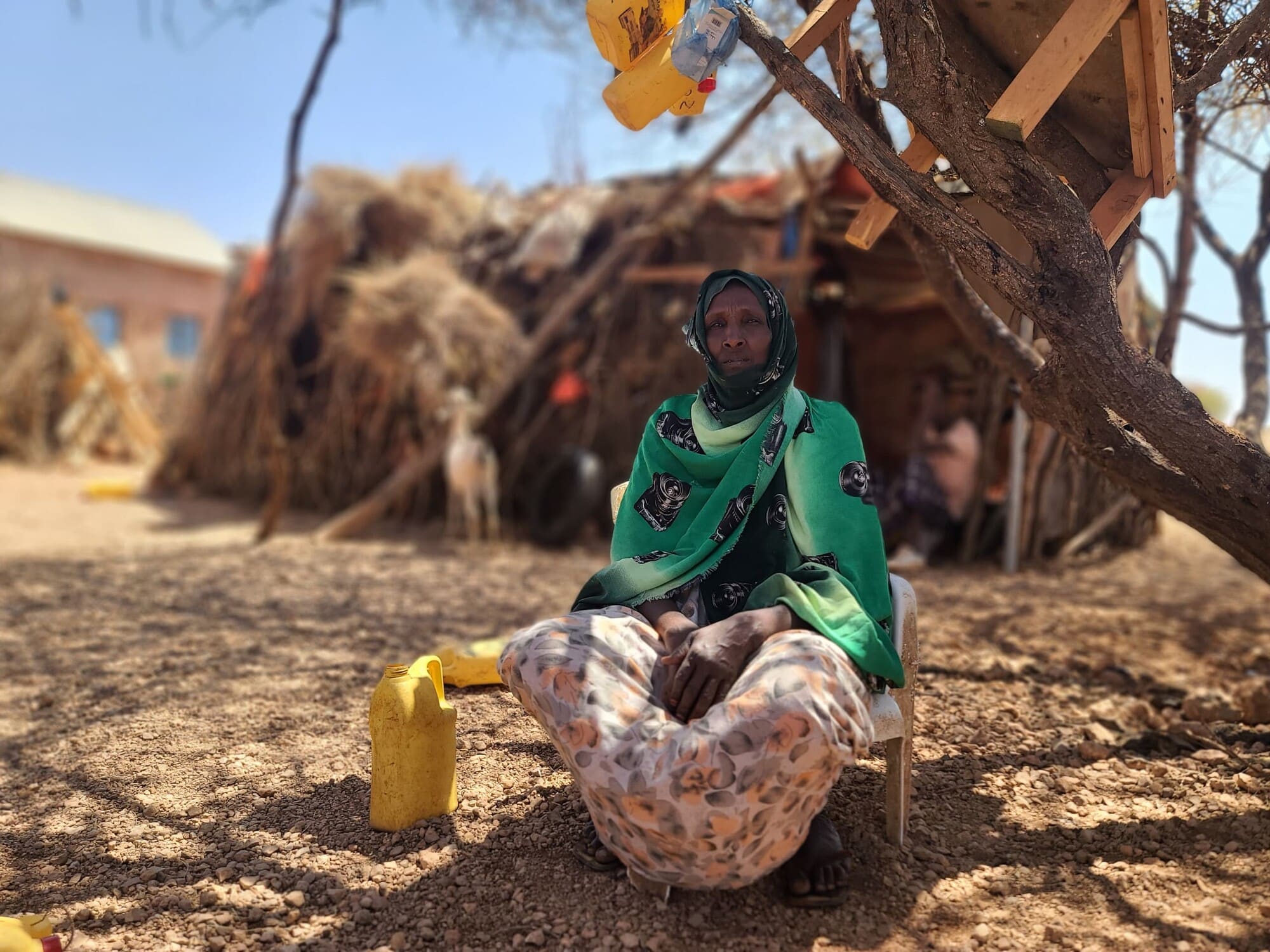
For those already facing food insecurity, shifts in the weather can quickly become a humanitarian crisis © Walter Mawere/CARE
El Niño affects weather patterns around the world, but its impacts are not felt equally. For communities already facing poverty, conflict, displacement or food insecurity, a shift in rainfall or temperature can quickly become a humanitarian crisis.
Many of the communities CARE International works with depend on rain-fed agriculture, livestock, fishing or small-scale food production for their livelihoods. When El Niño disrupts seasonal rains, crops can fail, water sources can dry up, livestock can die and food prices can rise.
El Niño can also act as a ‘risk multiplier’ for hunger and poverty. Drought in one region and flooding in another can disrupt food production, damage roads and markets, reduce household income and make nutritious food harder to access. Families may be forced to sell livestock, reduce meals, withdraw children from school or migrate in search of work, increasing long-term vulnerability.