CARE Ukraine Country Director, Michael McGrath, said:
“Civilian suffering in Ukraine has surpassed our worst fears. As confirmed this week by the United Nations, 2025 was the deadliest year for civilians in Ukraine since 2022. Conflict-related violence killed 2,514 civilians and injured 12,142 people last year – a 31 per cent increase compared to 2024, and a 70 per cent increase compared to 2023. These are not abstract numbers; each life represents a lost future and a devastated family.
Night after night, attacks continue to strike energy and heating infrastructure – the very systems civilians rely on to survive winter. As a result, access to electricity, heat and water are deliberately cut-off during freezing temperatures. Older people, children, people with disabilities and displaced families are being pushed to make impossible choices between staying in freezing homes or risk dangerous journeys in search of warmth and safety. This level of civilian harm is taking place while temperatures are dropping to minus 20 degrees Celsius. Women in Dnipro tell us that their children go to sleep fully dressed, sometimes even in their shoes – trying to keep warm, but also ready to run to a shelter at any moment if the next attack comes. This is the brutal reality of war.
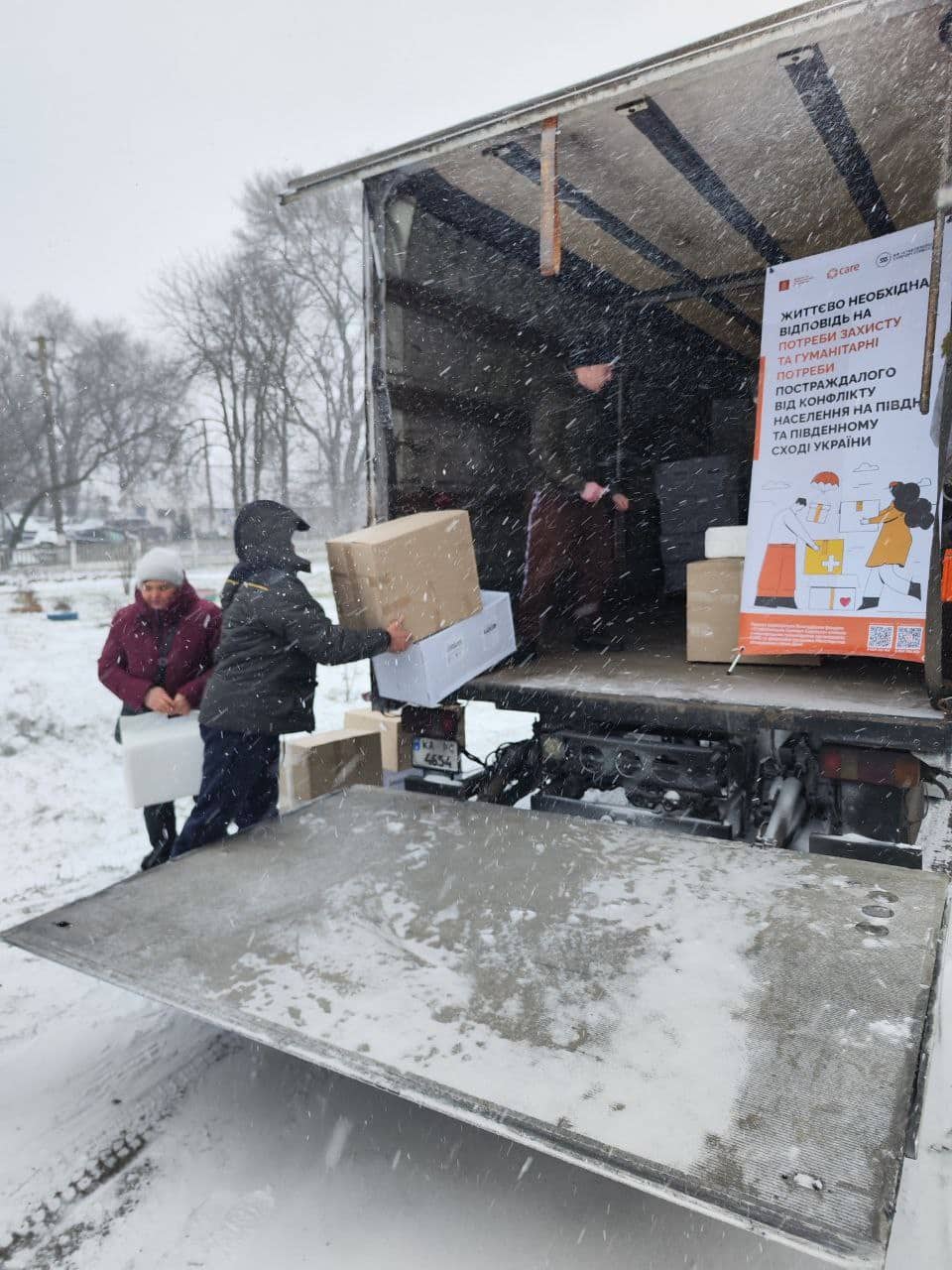
Ukraine has declared a state of emergency in its energy sector. Many people receive electricity for only a total of up to five hours per day, often spread in short periods rather than consecutively. Power is frequently switched on at times when people are already asleep or still at work, as authorities try to reduce strain on the grid. This means that civilians cannot carry out even basic daily routines – they cannot heat food, do laundry, or even charge their devices – and life is constantly disrupted. In frontline cities, some communities are forced to go several consecutive days without power at all, facing extreme cold and increased risk to health and safety. CARE and our Ukrainian partners are responding, providing emergency assistance, protection services and psychosocial support. But humanitarian aid cannot fully mitigate the loss of electricity, heating or safety. The repeated targeting of infrastructure that sustains civilian life must end.
This winter once again exposes a stark reality: civilians in Ukraine are paying the highest price of this war. As civilian casualties reach record levels and winter conditions intensify, the international community must not look away. They must support Ukrainian families, and make it clear to the conflict parties that protecting civilians and civilian infrastructure is not optional – it is an obligation under international humanitarian law.”
ENDS
For media enquiries contact Marianne Murat on 0466 440 160
About CARE International
CARE is a leader within a worldwide movement dedicated to ending poverty. From emergency response to long-term sustainable solutions, CARE is known for our unshakeable commitment to the dignity of all people. We work to support women and girls, so we can effectively address the root causes of poverty and create pathways to economic freedom for all. We do this in partnership with men and boys and community leaders locally, regionally, and globally. For nearly 80 years, CARE has been there, from the first CARE Packages® delivering relief in Europe after World War II, to every major global crisis since. Our long-term development programs and trusted local leadership continue to impact the lives of millions of people around the world.
About CARE Australia
CARE Australia is one member of the global CARE Confederation. CARE Australia supports women and girls around the globe to save lives, defeat poverty and achieve social justice. We work in partnership with local communities to provide equal opportunities for women and girls to be educated and to earn an income, gain access to essential resources like food, health care and clean water, and to be able to withstand and recover from the increasing impacts of disasters, conflict and other crises. Our programs focus on women and girls because we know when one woman breaks the cycle of poverty she brings four others with her – and that’s a powerful multiplier of impact.